Baby Back vs Spare Ribs is one of the most common BBQ questions for backyard cooks trying to decide which rack to smoke.
If you’ve ever stood in the meat department wondering whether to buy baby back ribs or spare ribs, you’re not alone. Both cuts produce incredible barbecue, but they cook differently, taste different, and each has loyal fans.
At Backyard Smoke Lab, I cook both, but if I’m feeding my own family, baby back ribs are almost always my first choice. They’re consistently tender, easy to prepare, and everyone—from kids to adults—loves them.
In this guide we’ll compare:
- What baby back ribs are
- What spare ribs are
- Which tastes better
- Which is easier to cook
- Cooking times
- Cost comparison
- Which ribs are best for beginners
- My personal recommendation
By the end, you’ll know exactly which rack belongs on your smoker this weekend.
What Are Baby Back Ribs?
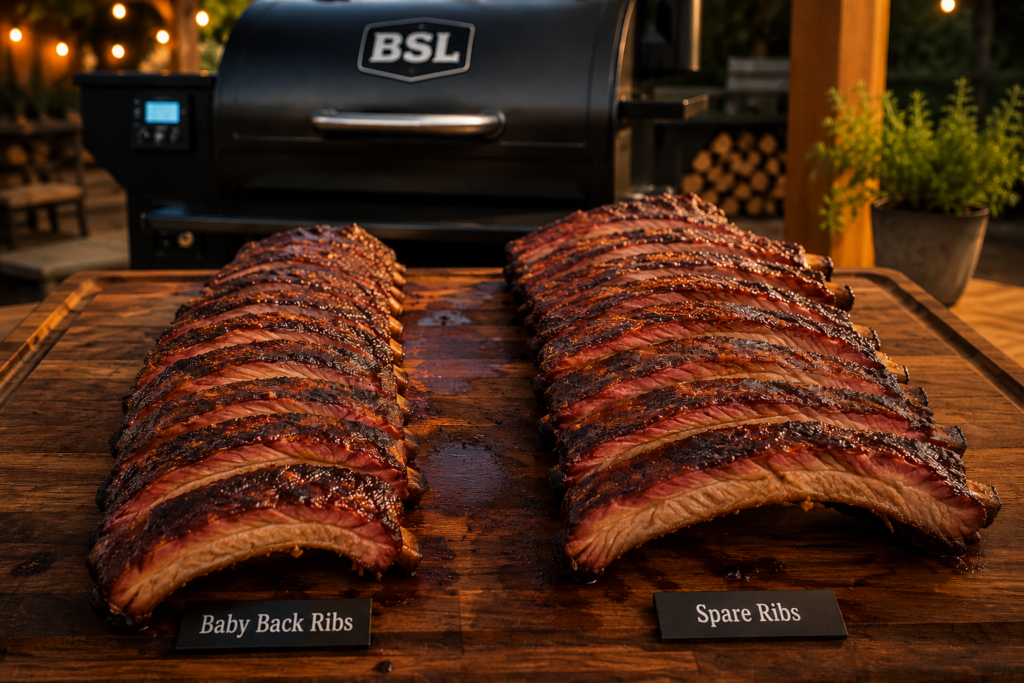
Baby back ribs come from the upper portion of the pig’s rib cage near the loin.
Because they’re attached near the pork loin, they’re naturally:
- Leaner
- Smaller
- More tender
- Slightly sweeter
Despite the name, they do not come from baby pigs.
The term “baby” simply refers to the smaller size compared to spare ribs.
Typical characteristics:
- 10–13 ribs
- 1½–2 pounds
- Curved bones
- Thick meat on top
- Lean throughout
These are the ribs you’ll commonly find in restaurants and grocery stores.
What Are Spare Ribs?
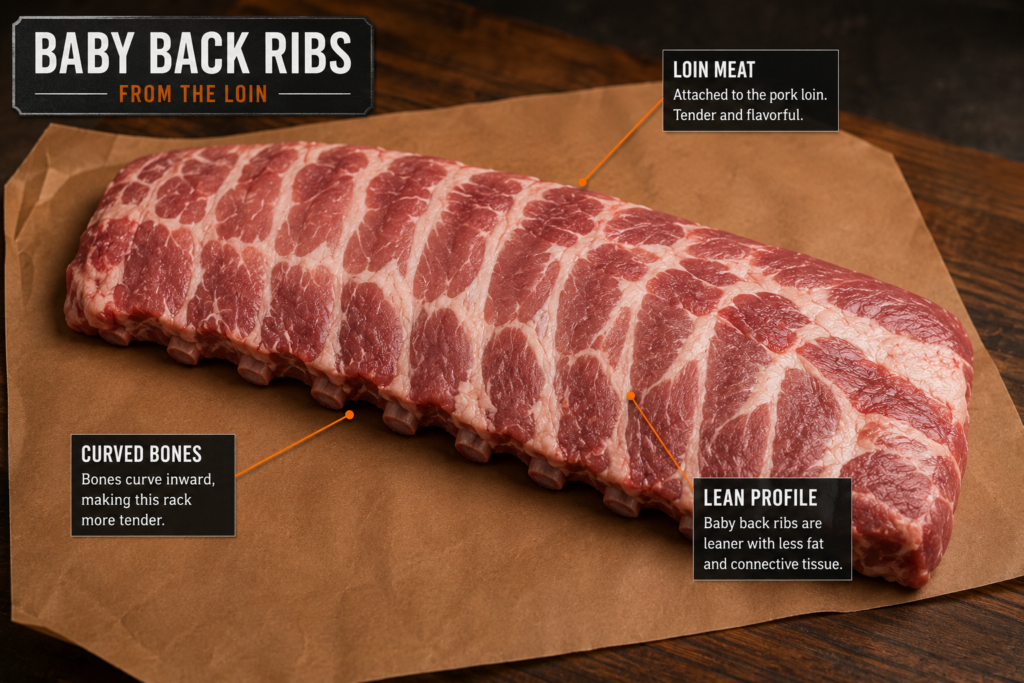
Spare ribs come from the lower portion of the rib cage near the belly.
Since they originate closer to the pork belly, they’re naturally:
- Larger
- Meatier
- Higher in fat
- Richer in flavor
Most competition barbecue teams prefer spare ribs because the additional fat renders during long cooks and produces incredible flavor.
Typical characteristics:
- 11–13 ribs
- 3–4 pounds
- Flat bones
- More connective tissue
- More marbling
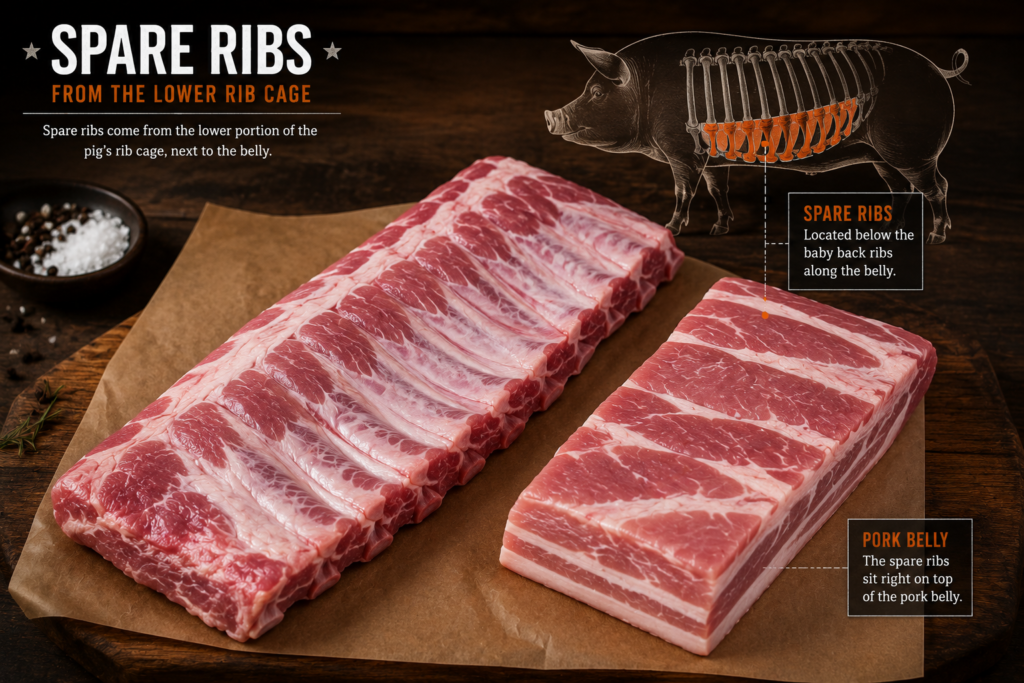
Baby Back vs Spare Ribs at a Glance
| Feature | Baby Back Ribs | Spare Ribs |
|---|---|---|
| Location | Near loin | Near belly |
| Size | Smaller | Larger |
| Fat Content | Lean | Higher |
| Tenderness | Very tender | Rich and meaty |
| Cook Time | Shorter | Longer |
| Price | Usually more expensive | Usually cheaper |
| Flavor | Mild and sweet | Rich pork flavor |
| Beginner Friendly | Excellent | Moderate |
Flavor Comparison
The biggest difference is richness.
Baby Back Ribs
Flavor is:
- Mild
- Clean
- Slightly sweet
- Tender bite
These ribs let your seasoning and smoke shine.
Perfect for:
- Families
- Kids
- Weeknight BBQ
- Backyard parties
Spare Ribs
Flavor is:
- Rich
- Pork-forward
- Buttery
- Heavier
The additional fat melts throughout the cook creating incredible juiciness.
Perfect for:
- BBQ enthusiasts
- Competition cooking
- Texas-style barbecue
Which Ribs Are More Tender?
🏆 Winner:
Baby Back Ribs
Because they’re leaner and contain less connective tissue, they become tender faster.
Properly cooked baby backs have:
- Clean bite
- Juicy interior
- Soft but not mushy texture
Spare ribs require more patience since collagen must fully render.
Which Ribs Have More Meat?
This surprises many beginners.
Spare ribs weigh much more.
However, much of that weight comes from:
- Fat
- Connective tissue
- Cartilage
Baby backs have less overall meat but a higher percentage of edible lean meat.
Which Is Easier to Smoke?
For beginners:
Baby Back Ribs
Here’s why:
- Cook faster
- More forgiving
- Less trimming
- Easier to find
- Easier to slice
This is exactly why they’re my family’s go-to rack.
When guests come over, I know baby backs consistently turn out fantastic.
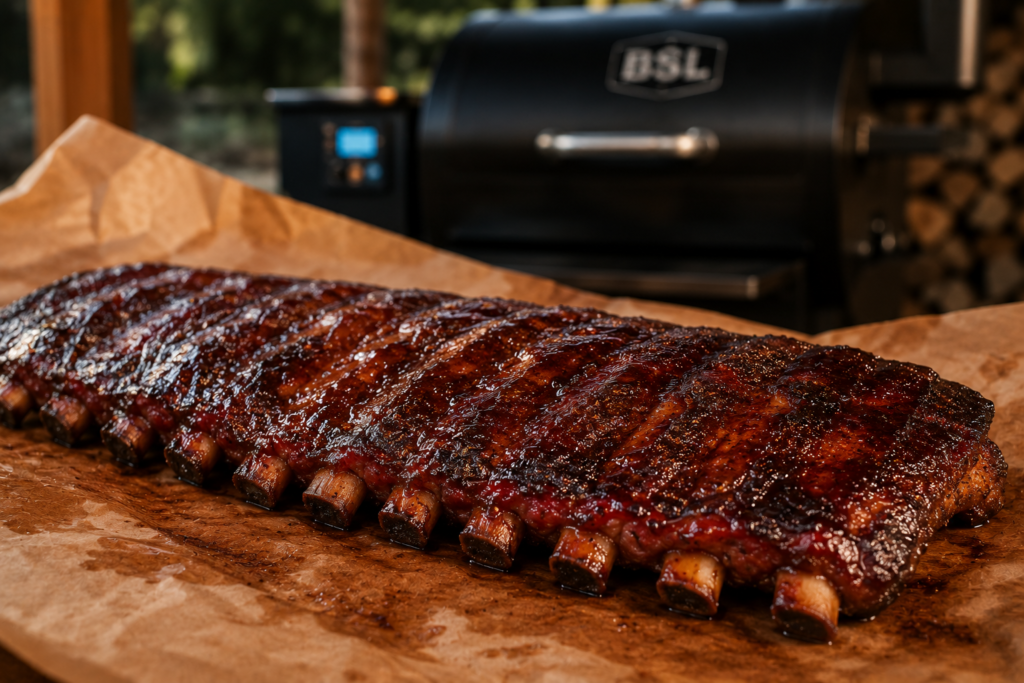
Typical Cooking Times
Baby Back Ribs
225°F smoker
Approximate time:
4½–5½ hours
Popular methods:
- Traditional
- 3-1-1
- No wrap
- Hot and fast
Spare Ribs
225°F smoker
Approximate time:
5½–7 hours
Popular methods:
- 3-2-1
- Competition wrap
- No wrap
The larger size simply requires more rendering time.
Which Ribs Cost More?
Generally:
Baby back ribs cost more per pound.
Why?
Because:
- Higher demand
- Smaller yield
- Premium cut
Spare ribs usually provide better value.
If feeding a large crowd, spare ribs often stretch your BBQ budget farther.
Which Holds More Smoke Flavor?
Spare ribs.
The additional fat absorbs smoke beautifully during longer cooks.
If you’re chasing deep competition-style bark and rich smoke flavor, spare ribs have a slight advantage.
Which Is Better for Families?
This one is easy.
Baby Back Ribs
At Backyard Smoke Lab, they’re what I serve most often.
My family simply prefers:
- Leaner meat
- Tender texture
- Smaller portions
- Easy eating
They’re especially popular with kids who don’t enjoy picking through extra fat or cartilage.
If you’re cooking for first-time BBQ guests, baby backs are hard to beat.
My Favorite Way to Smoke Baby Back Ribs
Here’s my typical process below. Here’s a link to my BSL Smoker Baby Back Pork Ribs 👉
Trim
Remove:
- Membrane
- Loose fat
- Hanging pieces
Season
Apply:
- Yellow mustard (binder optional)
- BBQ rub
- Let sit 20–30 minutes
Smoke
Temperature:
250°F
Wood:
- Cherry
- Apple
- Hickory blend
Cook approximately 2½–3 hours.
Wrap (Optional)
Wrap with:
- Butter
- Brown sugar
- Honey
- Apple juice
Cook another 1½ hours.
Here’s my deep dive article on Wrap vs NO Wrap
Finish
Unwrap.
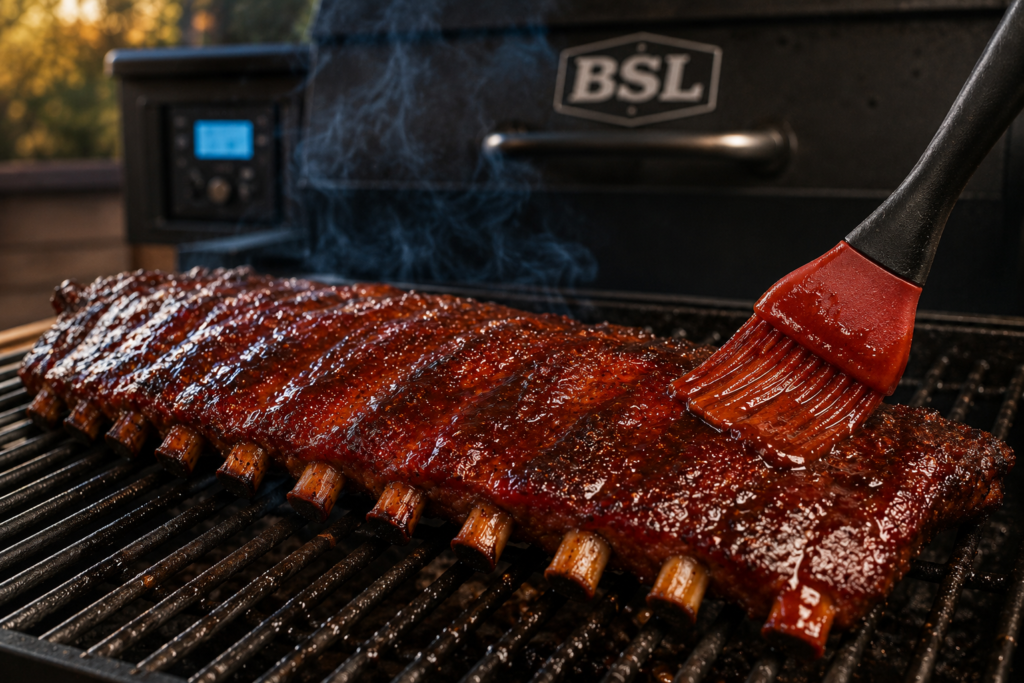
Brush lightly with BBQ sauce if desired.
Smoke another 20–30 minutes until tacky.
Rest
Rest 10–15 minutes before slicing.
Common Mistakes
Avoid these beginner mistakes:
Cooking by Time
Always cook to tenderness.
Using Too Much Smoke
Thin blue smoke always beats thick white smoke.
Boiling the Ribs
Never boil ribs.
You’ll lose flavor and texture.
Skipping the Rest
A short rest allows juices to redistribute.
Overcooking
Ribs should bend easily but not completely fall apart.
A clean bite is the goal.
Baby Back vs Spare Ribs: Final Verdict
If you love rich competition barbecue, spare ribs are outstanding.
When comparing Baby Back vs Spare Ribs, the best choice depends on who you are feeding. Baby back ribs are leaner, tender, and family-friendly, while spare ribs are larger, fattier, and richer in classic BBQ flavor.But if you’re looking for dependable results, easier cooks, and ribs the whole family will enjoy, baby back ribs are my top recommendation.
At Backyard Smoke Lab, baby backs are what I put on the smoker most often because they consistently deliver tender, flavorful barbecue without the longer cook time of spare ribs.
Whether you’re cooking for a backyard gathering or a simple family dinner, you really can’t go wrong with either cut—but for my family, baby back ribs win every time.
Frequently Asked Questions
Are baby back ribs healthier?
Yes. They generally contain less fat and fewer calories than spare ribs.
Which ribs are easier for beginners?
Baby back ribs are the easiest cut for first-time smokers.
Do spare ribs taste better?
They have a richer pork flavor due to their higher fat content, but “better” comes down to personal preference.
Can I cook both the same way?
Yes, but spare ribs usually need an extra 1–2 hours to become tender. Always Use a Temp Guide ➡ Here
Should I wrap ribs?
Wrapping speeds up the cook and creates softer ribs. Leaving them unwrapped develops a firmer bark. Both methods work well.
Backyard Smoke Lab Pro Tip
If you’re cooking for family, choose baby back ribs. If you’re cooking for serious BBQ enthusiasts or chasing competition-style flavor, reach for spare ribs. Knowing your audience is just as important as knowing your smoker.
🔥 Shop BSL Favorites on Amazon!
📄 Get Free BBQ Recipes, Guides & Charts
👉Check out the list of BBQ Gear I recommend and use
🔥 Follow Backyard Smoke Lab for more BBQ tips, recipes, and reviews
📺 YouTube: https://www.youtube.com/@backyardsmokelab
📸 Instagram: https://www.instagram.com/backyardsmokelab
🎵 TikTok: https://www.tiktok.com/@backyardsmoklab
🌐 Website: https://backyardsmokelab.com