

Wrap vs no wrap BBQ is one of the biggest debates in backyard smoking. Some pitmasters wrap brisket, ribs, or pork butt to push through the stall and hold moisture, while others leave meat unwrapped for firmer bark and deeper smoke flavor.
The truth is both approaches work, and understanding the pros and cons of wrapping meat can dramatically improve your barbecue results.
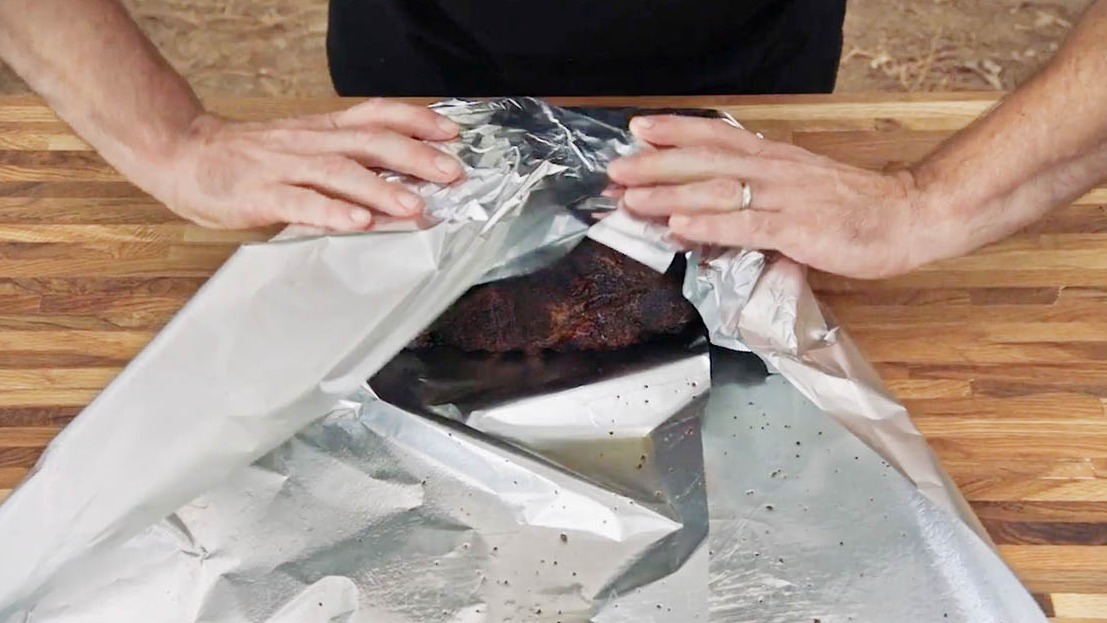
Wrapping meat during a cook is commonly called the Texas Crutch, a technique used to push meat through the stall, retain moisture, and speed up the cooking process. But it also comes with tradeoffs—especially when it comes to bark development and smoke flavor.
In this guide from Backyard Smoke Lab, we’ll break down:
• Why pitmasters wrap meat
• When wrapping helps (and when it hurts)
• The pros and cons of wrapping
• Differences between foil, butcher paper, and no wrap
• Which meats benefit most from wrapping
By the end, you’ll know exactly when wrapping is the right move—and when it’s better to leave the meat alone.
If this article is not enough info….Check out my article Why Is My Brisket Tough? 7 Common Causes and How to Fix Them
Wrap vs No Wrap BBQ: Why the Debate
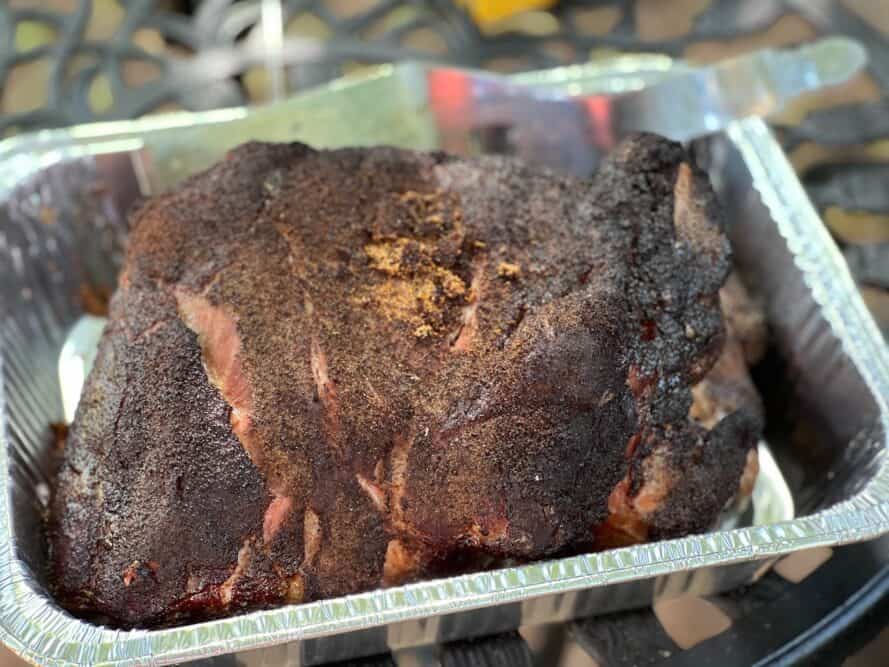
Most meats cooked low and slow go through a phase called the stall.
During this stage, the internal temperature of the meat stops rising—sometimes for hours—usually between 150°F and 170°F.
This happens because evaporation from the meat cools the surface, much like sweat cools your body.
Wrapping the meat stops this evaporation and traps heat and moisture, allowing the internal temperature to start rising again.
This can dramatically reduce cook time, especially on large cuts like brisket or pork shoulder.
But the stall isn’t the only reason people wrap meat.
Wrapping also:
• Retains moisture
• Protects the meat from over-smoking
• Helps tenderize tough cuts
• Prevents the bark from burning
However, those benefits come with some compromises.
Wrap vs No Wrap BBQ: Pros of Wrapping BBQ Meat
1. Speeds Up Cooking Time

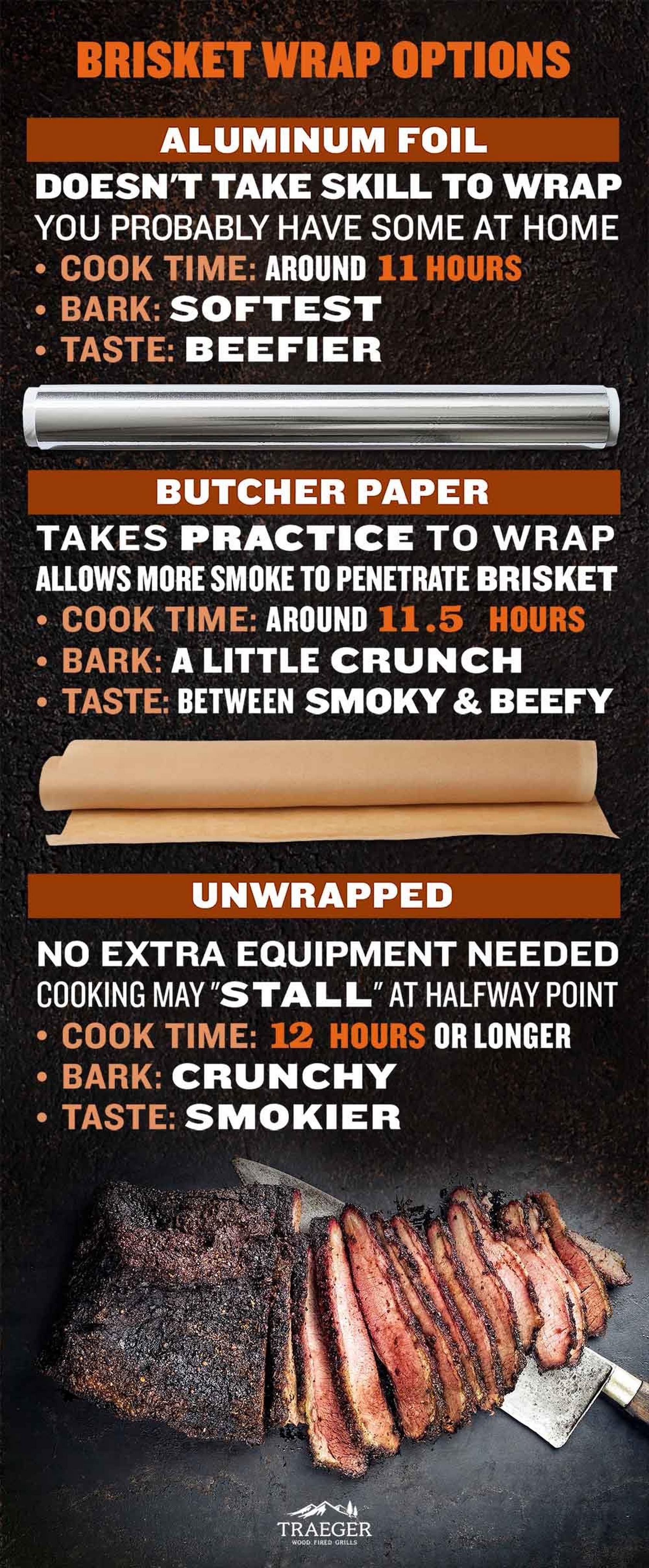

Wrapping significantly reduces cook time.
Because moisture can no longer evaporate from the meat’s surface, heat energy goes directly into raising the meat’s internal temperature.
For example:
• A brisket that might take 14 hours unwrapped could finish in 10–11 hours when wrapped.
This makes wrapping especially helpful when:
• Cooking large cuts
• Smoking overnight
• Working with unpredictable weather
• Cooking for guests on a schedule
Many competition pitmasters wrap for this exact reason—it creates more predictable cook times.
2. Helps Push Through the Stall
Wrapping is the most reliable way to beat the stall.
Instead of waiting hours for the meat temperature to slowly rise again, wrapping traps moisture and allows the cook to continue steadily.
This is why wrapping is common for:
• Brisket
• Pork butt
• Beef ribs
Without wrapping, the stall can last 2–4 hours or more.
3. Retains Moisture
Low and slow cooking can gradually dry meat if the cook runs long.
Wrapping acts like a moisture shield, preventing excessive evaporation.
This is especially helpful with leaner cuts like:
• Flat portion of brisket
• Pork loin
• Ribs cooked for extended times
Foil wrapping can even create a braising effect, where rendered fat and juices circulate around the meat.
4. Protects Meat From Over-Smoking
Early in a cook, meat absorbs smoke flavor easily. But after several hours, it stops absorbing smoke effectively.
If the cook continues unwrapped for many hours, the bark can sometimes become too dark or bitter.
Wrapping protects the meat from excessive smoke exposure and helps maintain a balanced flavor.
Wrap vs No Wrap BBQ: Cons of Wrapping BBQ Meat

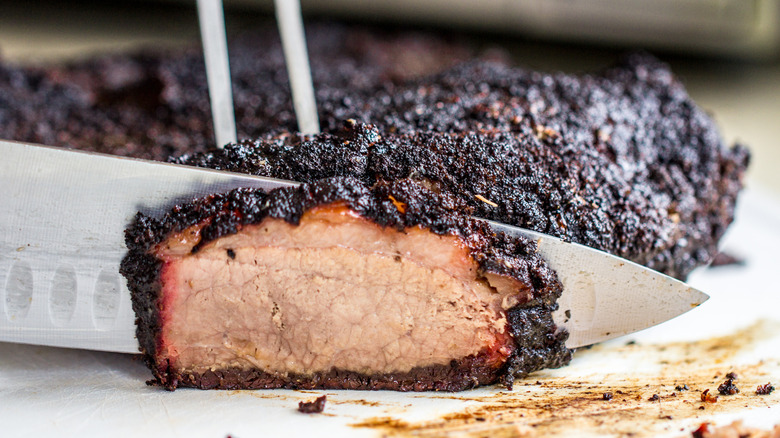
Despite its benefits, wrapping also comes with downsides.
Many pitmasters choose not to wrap because of these tradeoffs.
1. Softens the Bark
One of the biggest drawbacks of wrapping is bark texture.
Bark forms when the meat’s surface dries out and caramelizes during cooking.
When meat is wrapped:
• Steam builds up
• Moisture softens the crust
• The bark becomes less firm
Foil wrapping especially can turn bark soft or mushy.
This is why many pitmasters prefer butcher paper instead of foil, which allows some moisture to escape.
2. Reduces Smoke Flavor
Wrapping stops additional smoke exposure.
If meat is wrapped too early in the cook, the final product may have less smoke flavor than an unwrapped cook.
This is why most pitmasters wait until the meat reaches about:
160°F–170°F internal temperature
At that point, the meat has already absorbed most of the smoke it will take.
3. Can Overcook Meat
Wrapping speeds up cooking—but sometimes too much.
Once wrapped, the meat can climb quickly toward finishing temperatures.
If not monitored carefully, it can overshoot and become overly soft or pot-roast-like in texture.
Wrap vs No Wrap BBQ: Butcher Paper vs No Wrap

There are three primary ways pitmasters handle wrapping.
Each produces slightly different results.
Aluminum Foil (Texas Crutch)
Foil creates a sealed environment around the meat.
Benefits:
• Fastest cooking
• Maximum moisture retention
• Very tender results
Downside:
• Bark becomes softer
• Less smoky flavor
Foil is great for:
• Backyard cooks
• Beginners
• Time-sensitive cooks
I use Costco Heavy Duty Foil in dispenser box or 👉 this heavy duty grilling foil
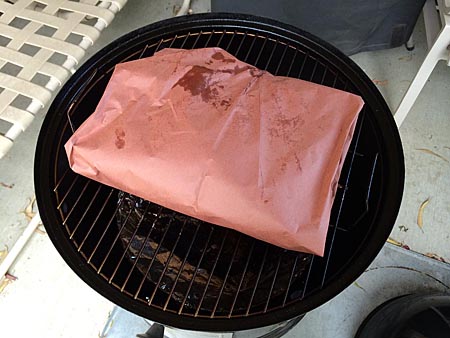
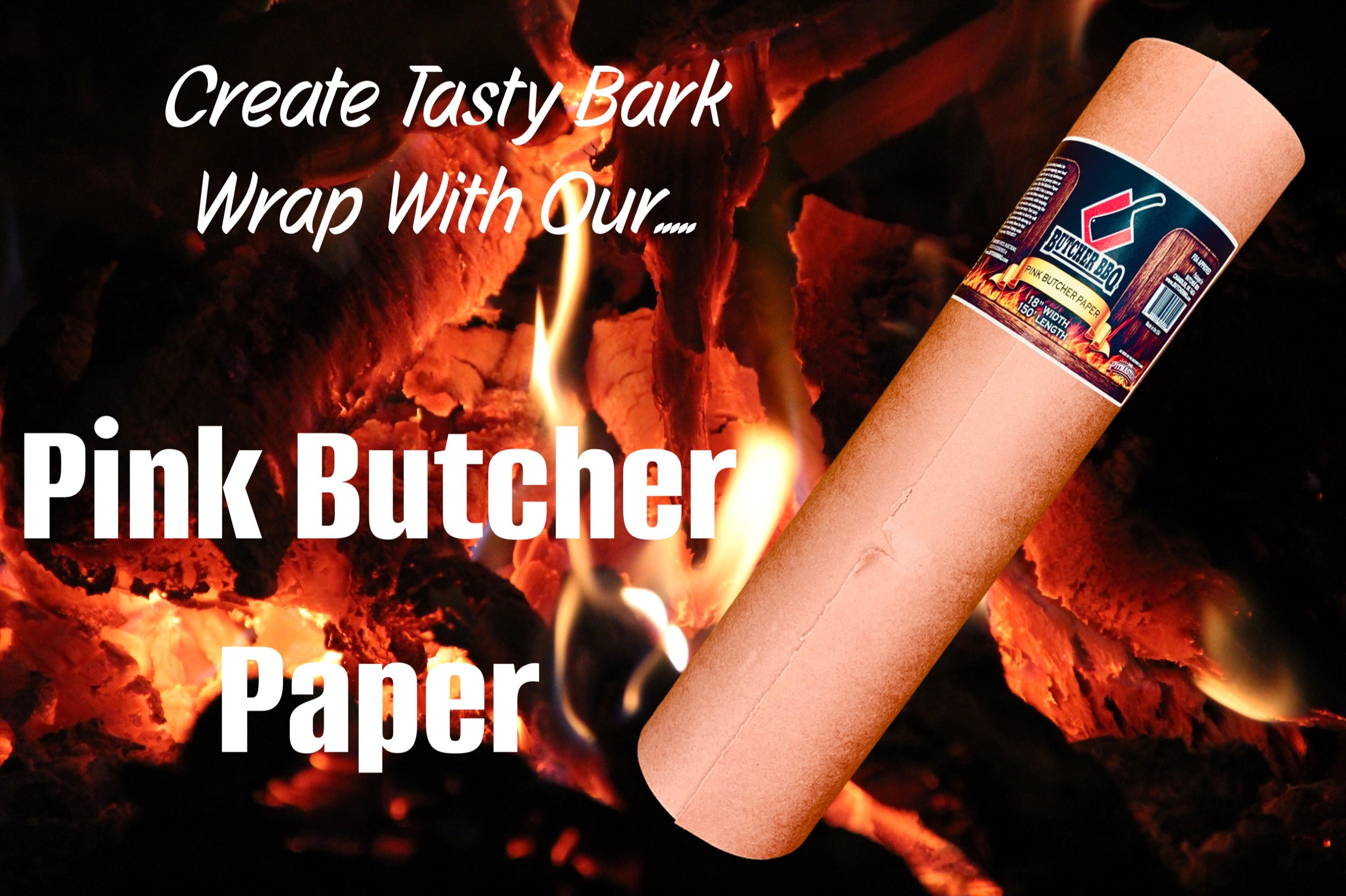
Pink Butcher Paper
Butcher paper has become extremely popular in Texas barbecue.
Benefits:
• Allows some moisture to escape
• Preserves bark better than foil
• Still speeds up cooking
Downside:
• Less moisture retention than foil
• Slightly longer cook time
Many famous Texas brisket joints, including Franklin Barbecue, rely on butcher paper.
👉 Here’s the Pink Butcher Paper I use.
No Wrap
Some pitmasters cook completely unwrapped.
Benefits:
• Maximum bark formation
• Strongest smoke flavor
• Traditional approach
Downside:
• Longest cook time
• Higher risk of drying out
• Stall lasts longer
This method works best with:
• Offset smokers
• Experienced pitmasters
• Stable cooking environments
When You Should Wrap BBQ Meat
Wrapping works best when:
• The stall has lasted too long
• Bark is already well developed
• Cooking time needs to be shortened
• Meat looks like it may dry out
A common rule of thumb:
Wrap once the bark looks right and the internal temperature reaches 160–170°F.
At this stage the meat has already absorbed plenty of smoke.
When You Should NOT Wrap
Skipping wrapping can produce incredible results when:
• Bark quality is the top priority
• Cooking time isn’t an issue
• The smoker maintains steady humidity
• The meat already has good fat content
Many experienced pitmasters will experiment both ways to see what works best on their specific smoker.
Final Thoughts: There Is No Single “Right” Method
Wrap vs No Wrap BBQ! One of the best parts of barbecue is that multiple techniques can produce amazing results.
Wrapping meat is not cheating—it’s simply a tool.
Competition teams, backyard pitmasters, and world-famous BBQ restaurants all use different strategies.
The best way to decide what works for you is simple:
Cook the same cut two different ways.
• Wrap one
• Leave one unwrapped
Compare the results and see which style you prefer.
Because in the end, the best barbecue method is the one that produces meat you love eating.
🔥 Shop BSL Favorites on Amazon!
📄 Get Free BBQ Recipes, Guides & Charts
👉Check out the list of BBQ Gear I recommend and use
🔥 Follow Backyard Smoke Lab for more BBQ tips, recipes, and reviews
📺 YouTube: https://www.youtube.com/@backyardsmokelab
📸 Instagram: https://www.instagram.com/backyardsmokelab
🎵 TikTok: https://www.tiktok.com/@backyardsmoklab
🌐 Website: https://backyardsmokelab.com