
Wood selection for BBQ is one of the biggest factors that determines smoke flavor, bark, and how clean your fire burns. If you want to level up from “good backyard cook” to true pitmaster status, mastering wood selection is non-negotiable. Wood is not just fuel — it’s seasoning, aroma, color, bark development, and overall character.
This is your authority guide to BBQ wood: flavor profiles, pellets vs. splits, wet vs. dry wood, using wood in gas grills, and proper storage. Not sure which BBQ Smoker is right for you.. We’ll break it down Here!
Why Wood Matters in BBQ
When wood combusts properly, it produces thin blue smoke — the clean, almost invisible smoke that delivers sweet, complex flavor without bitterness. The wrong wood, poor airflow, or wet logs create thick white smoke that tastes acrid and harsh.
Wood affects:
- Flavor profile
- Smoke intensity
- Bark formation
- Smoke ring development
- Burn temperature stability
- Overall cook control
Understanding wood means understanding fire management.
Wood Selection for BBQ: Quick Rules to Follow
1. Hickory


Hickory Splits and Shaggy Bark Hickory
Flavor Profile: Bold, smoky, slightly bacon-like
Best For: Pork shoulder, ribs, brisket, turkey
Intensity: Medium-strong
Hickory is the backbone of traditional American BBQ. It delivers that classic Southern smoke flavor — rich but balanced when used correctly.
⚠️ Use restraint. Too much hickory can overpower poultry or lighter meats.
2. Oak
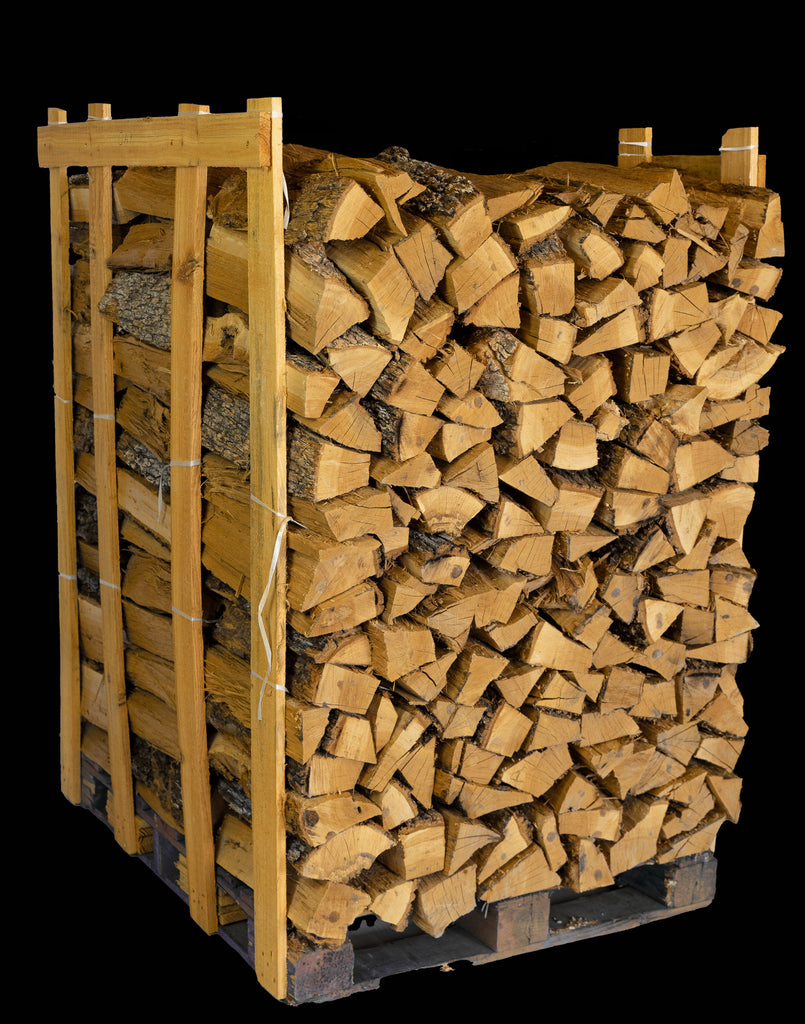
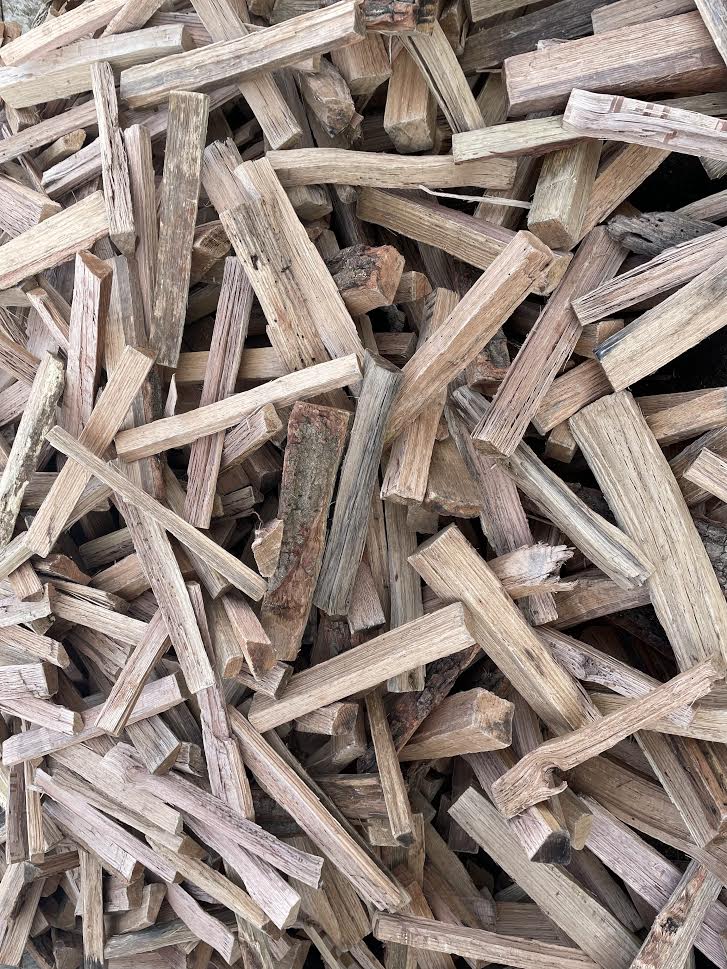

Oak Wood Splits, Chips & Chunks
Flavor Profile: Medium, clean, slightly earthy
Best For: Brisket, beef ribs, lamb
Intensity: Medium
Oak is the most versatile BBQ wood. It burns steady, produces clean smoke, and doesn’t overpower meat. Many Texas pitmasters rely heavily on post oak for brisket.
If you want a reliable, predictable wood — start here.
3. Mesquite


Mesquite Wood
Flavor Profile: Intense, earthy, bold
Best For: Beef, quick cooks, steaks
Intensity: Strong
Mesquite burns hot and fast. It’s excellent for grilling steaks but can overpower long cooks like pork shoulder.
Pro tip: Mix mesquite with oak to tame it.
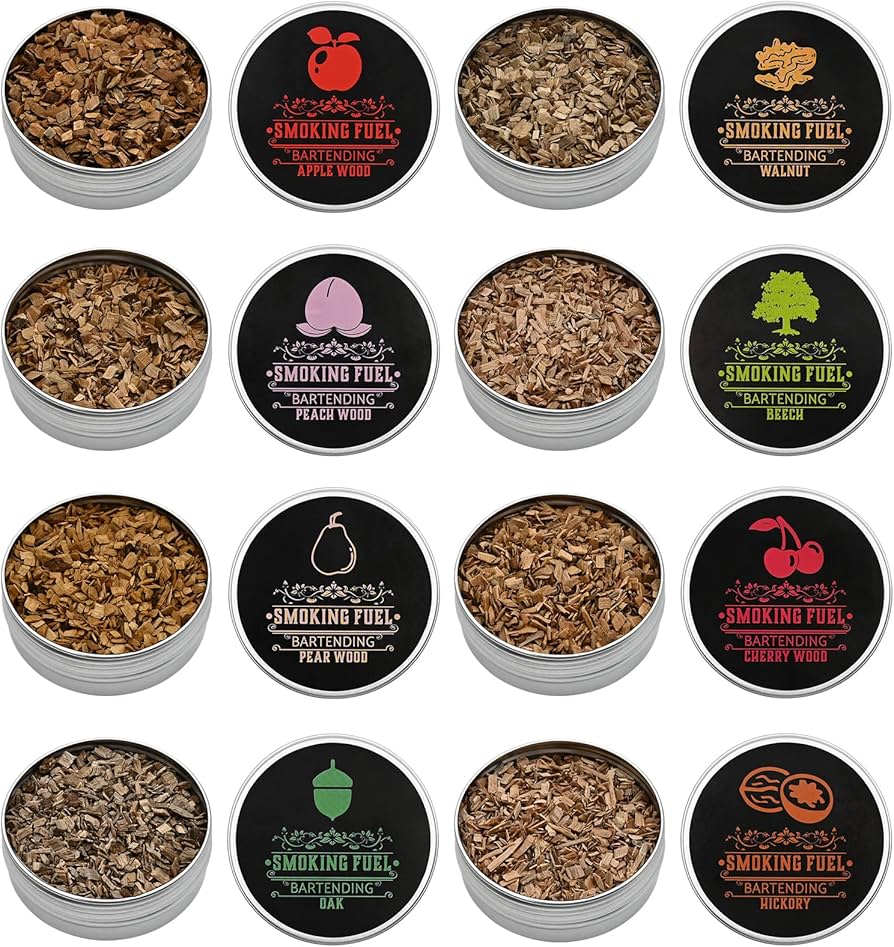
4. Fruit Woods (Apple, Cherry, Peach)
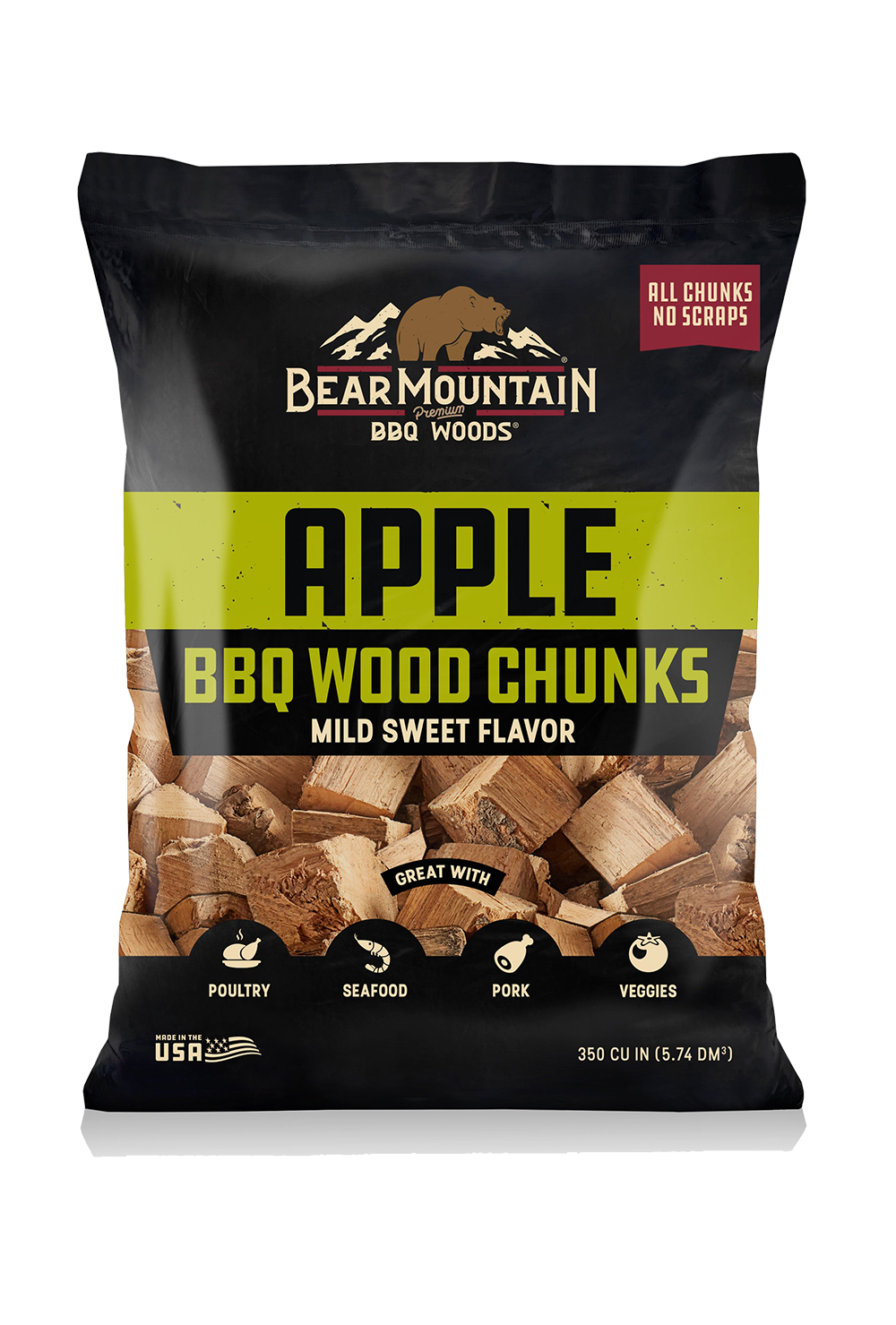
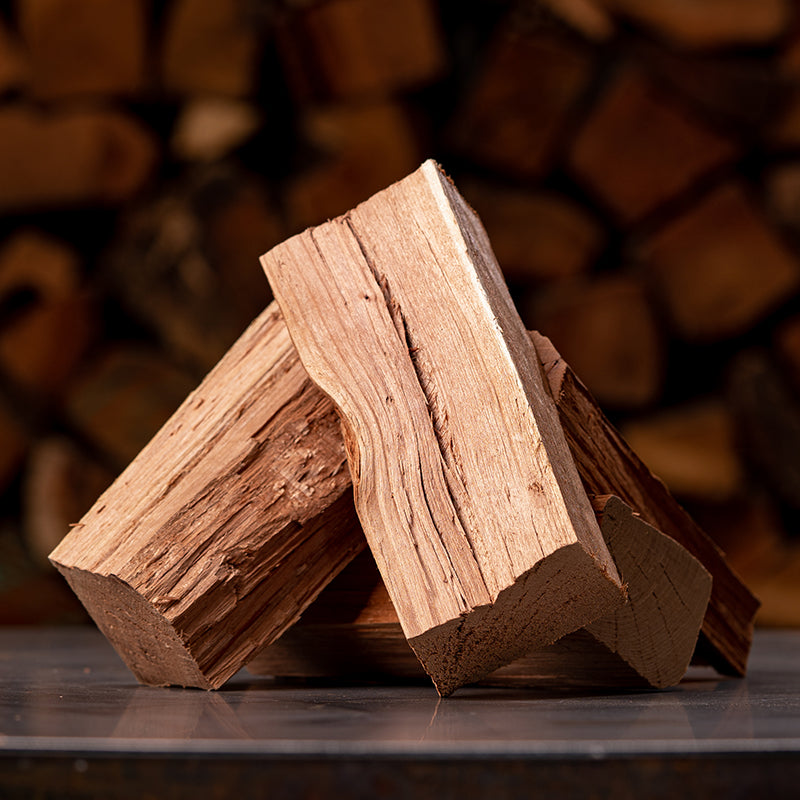
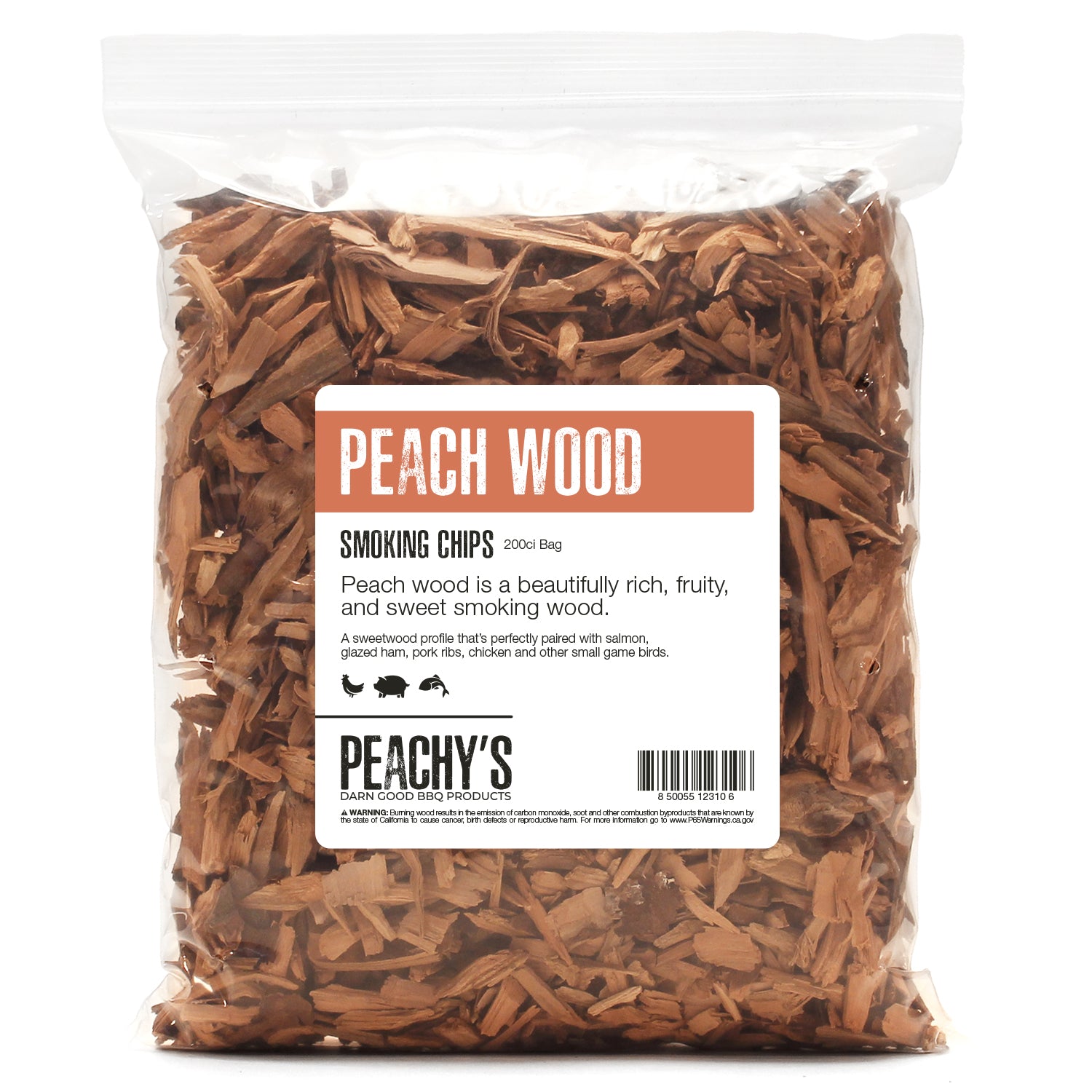
Wood Chunks & Chips
Flavor Profile: Mild, sweet, slightly fruity
Best For: Poultry, pork, ribs
Intensity: Mild
Fruit woods provide beautiful color and gentle smoke. Cherry enhances bark color, giving ribs a deep mahogany finish.
Great for beginners because they’re hard to overdo.
5. Maple & Pecan


Wood Chunks
Flavor Profile: Sweet, nutty, smooth
Best For: Pork, poultry, ham
Intensity: Mild to medium
Pecan is like a milder hickory. Maple adds sweetness without sharp smoke. Both are excellent for longer cooks where balance matters.
Pellets vs. Offset Splits
Wood Pellets
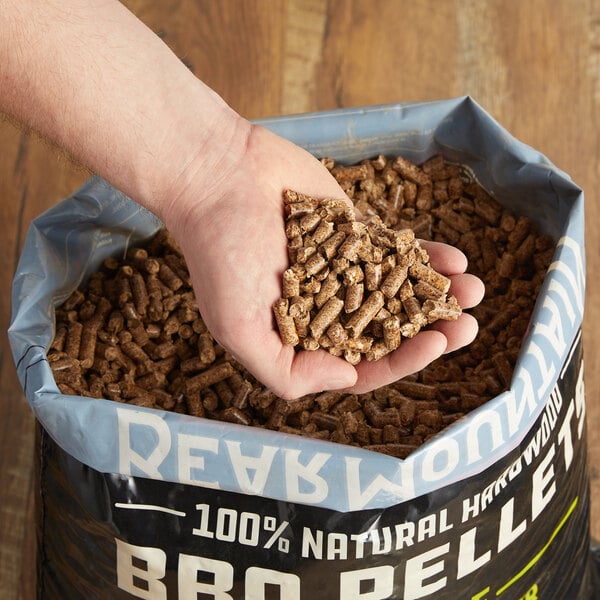
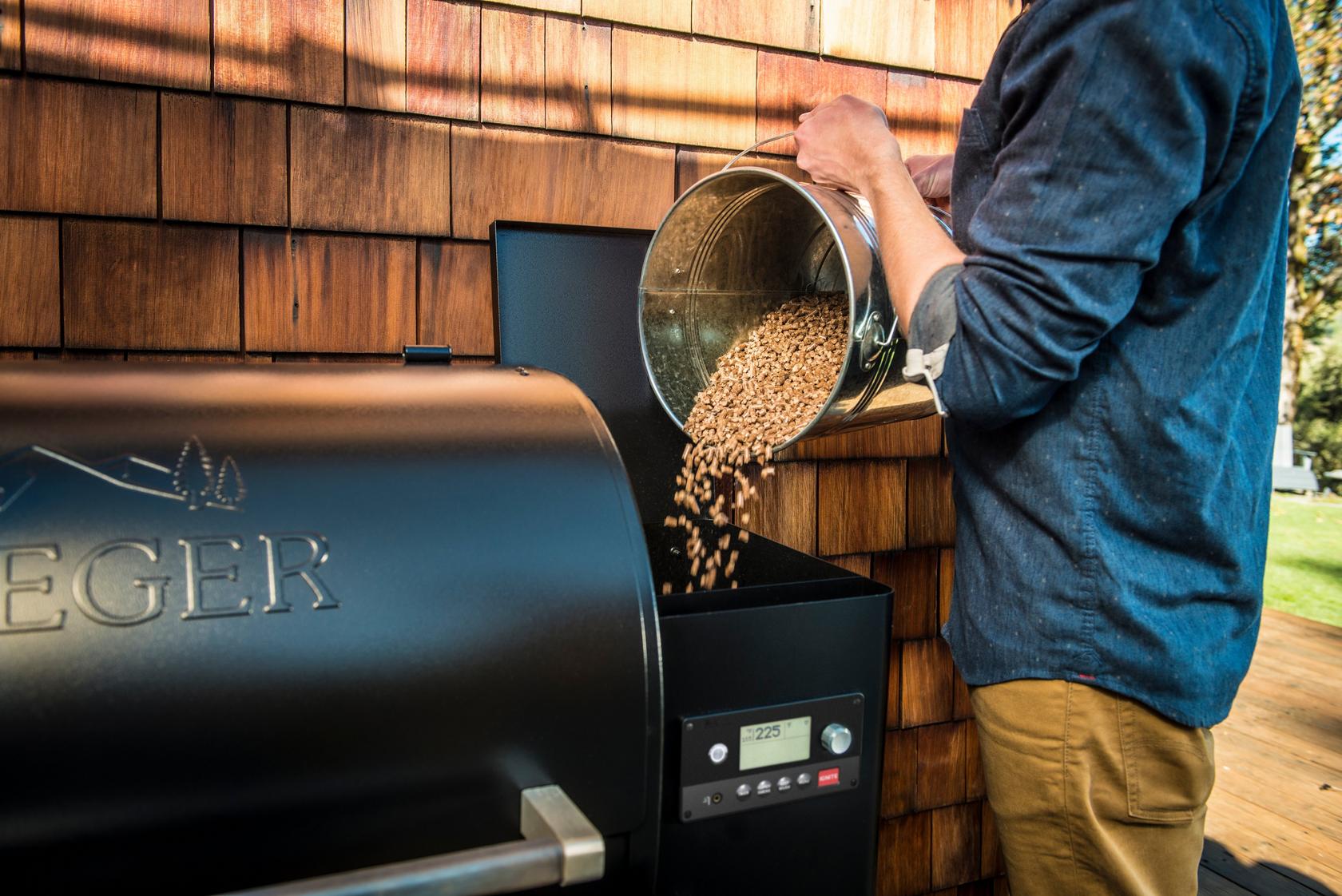

Wood Pellets
Pellets are compressed sawdust formed under high pressure.
Pros:
- Consistent burn
- Easy temperature control
- Great for beginners
- Clean smoke
Cons:
- Slightly lighter smoke flavor
- Dependent on electricity
- Less fire management control
Pellets are ideal for convenience and repeatability.
Offset Splits (Traditional Logs)
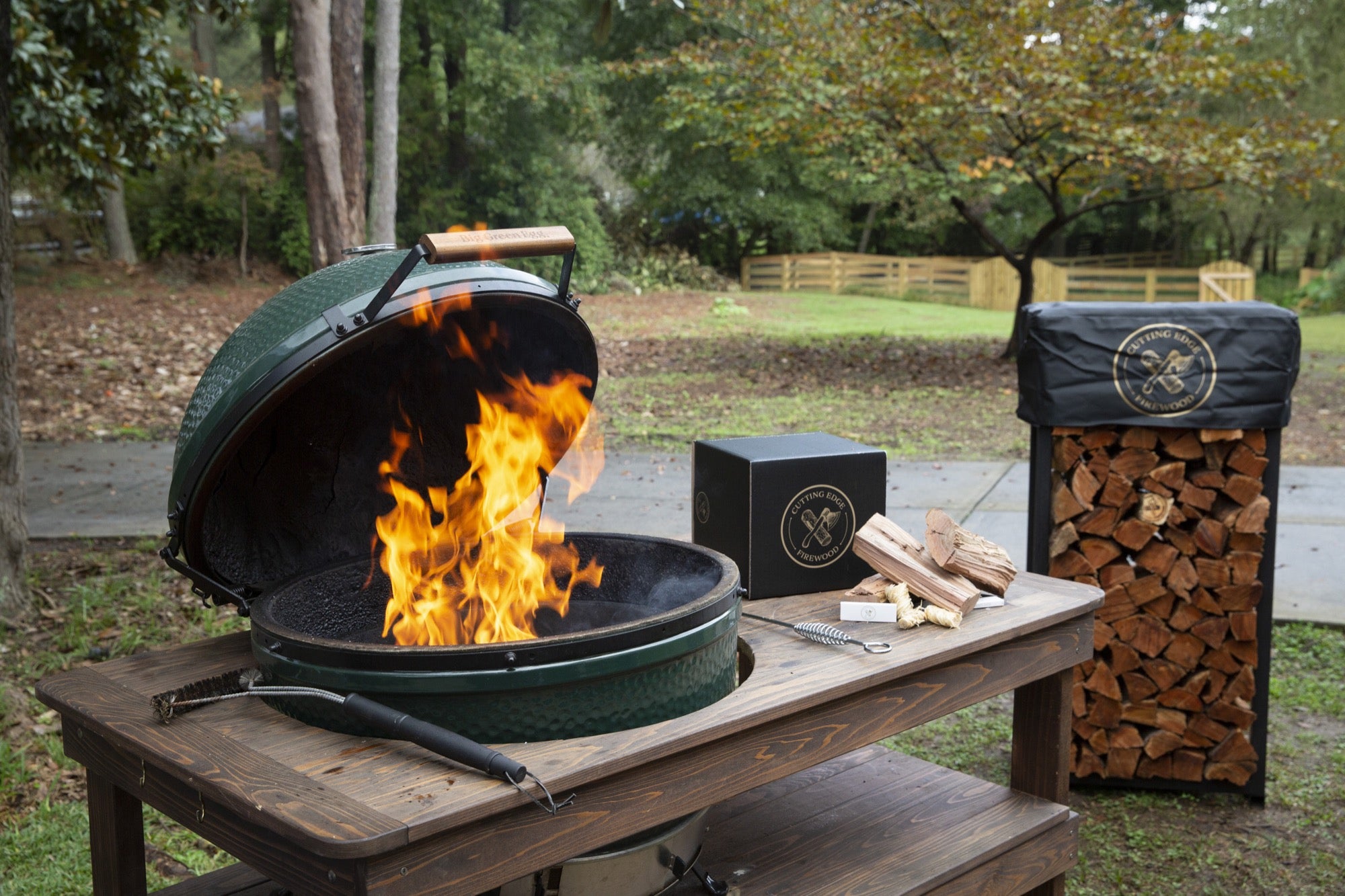
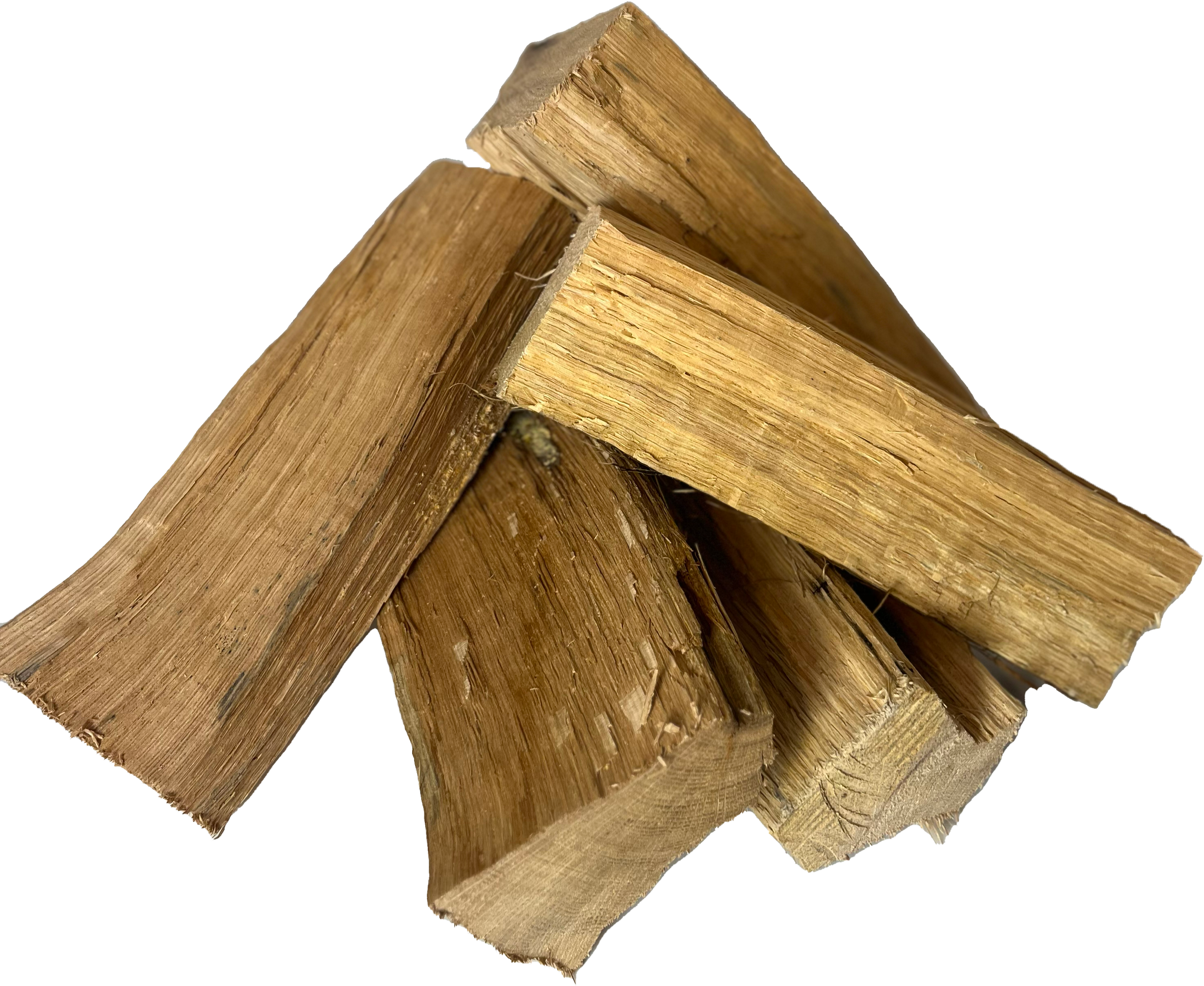
Split Wood
Splits are full hardwood logs used in offsets or stick burners.
Pros:
- Deepest smoke flavor
- Full fire control
- Traditional method
Cons:
- Requires skill
- More maintenance
- Fuel management learning curve
If you want authentic pit flavor and control — splits win.
Wet vs. Dry Wood (Important)
This is where many beginners go wrong.
Never Use Wet or Green Wood
Wet wood:
- Produces thick white smoke
- Creates bitter taste
- Causes unstable fire
- Leads to creosote buildup
You want seasoned wood — air-dried for 6–12 months minimum.
Proper BBQ wood moisture content should be roughly 15–20%.
If it:
- Feels heavy
- Hisses when burning
- Smokes excessively
It’s too wet.
Should You Soak Wood Chips?
Short answer: No.
Soaking wood chips:
- Delays ignition
- Produces steam (not smoke)
- Creates dirty combustion
Dry wood burns cleaner and produces better smoke quality.
Using Wood in Gas Grills

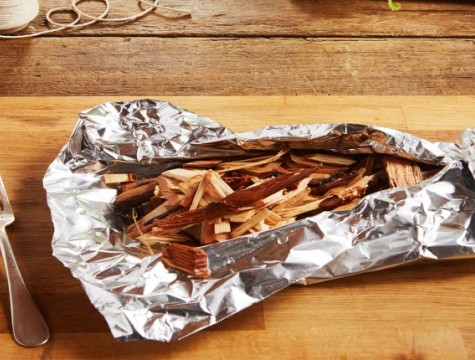
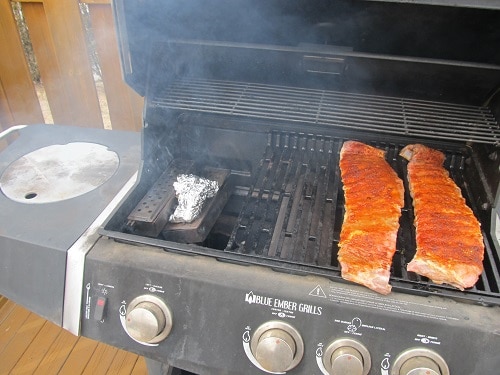
Wood Smoking for Gas Grill
Yes — you can add smoke flavor to a gas grill.
Method 1: Smoker Box
- Fill metal smoker box with dry chips
- Place directly over burner
- Close lid and preheat
- Add food once chips begin smoking
Method 2: Foil Packet
- Wrap wood chips in heavy-duty foil
- Poke small holes in top
- Place over lit burner
Use indirect heat for best results.
Gas grills won’t match offset flavor, but they absolutely can add smoke depth.
Matching Wood to Meat
| Meat | Best Wood Choices |
|---|---|
| Brisket | Oak, Hickory |
| Pork Shoulder | Hickory, Pecan, Apple |
| Ribs | Cherry, Apple, Pecan |
| Chicken | Apple, Cherry, Maple |
| Steak | Mesquite, Oak |
| Turkey | Apple, Pecan |
Balance is everything. Strong meats handle strong woods.
Storing Your BBQ Wood Properly


Split Wood Rack
Proper storage protects your investment.
Best Practices for Split Wood:
- Stack off the ground
- Cover top only (leave sides open) a tarp works best.
- Store in dry, ventilated area
- Avoid full plastic wrapping (traps moisture)
Wood needs airflow to stay seasoned. You can buy these storage racks at the local hardware store but ove found homemade storage works better and normally cheaper than commercial offerings.
Why Pellet Storage Matters
Pellet grills depend on mechanical delivery systems (auger + firepot). Damp pellets don’t just affect flavor — they can physically damage your equipment.
Moist pellets can:
- Expand inside the auger tube
- Create hardened blockages
- Trigger motor strain
- Cause ignition failure
Replacing an auger motor costs far more than a proper storage bin.
Think of pellet storage as equipment insurance.
The #1 Rule: Keep Pellets Dry
Pellets are hygroscopic — they absorb moisture from the air. Even if they look fine, humidity can degrade them over time.
Ideal Storage Conditions:
- Cool, dry location
- Off concrete floors
- Away from garage door drafts
- Relative humidity under 60%
Concrete floors hold moisture. Always elevate pellet bags or containers.
Best Storage Container
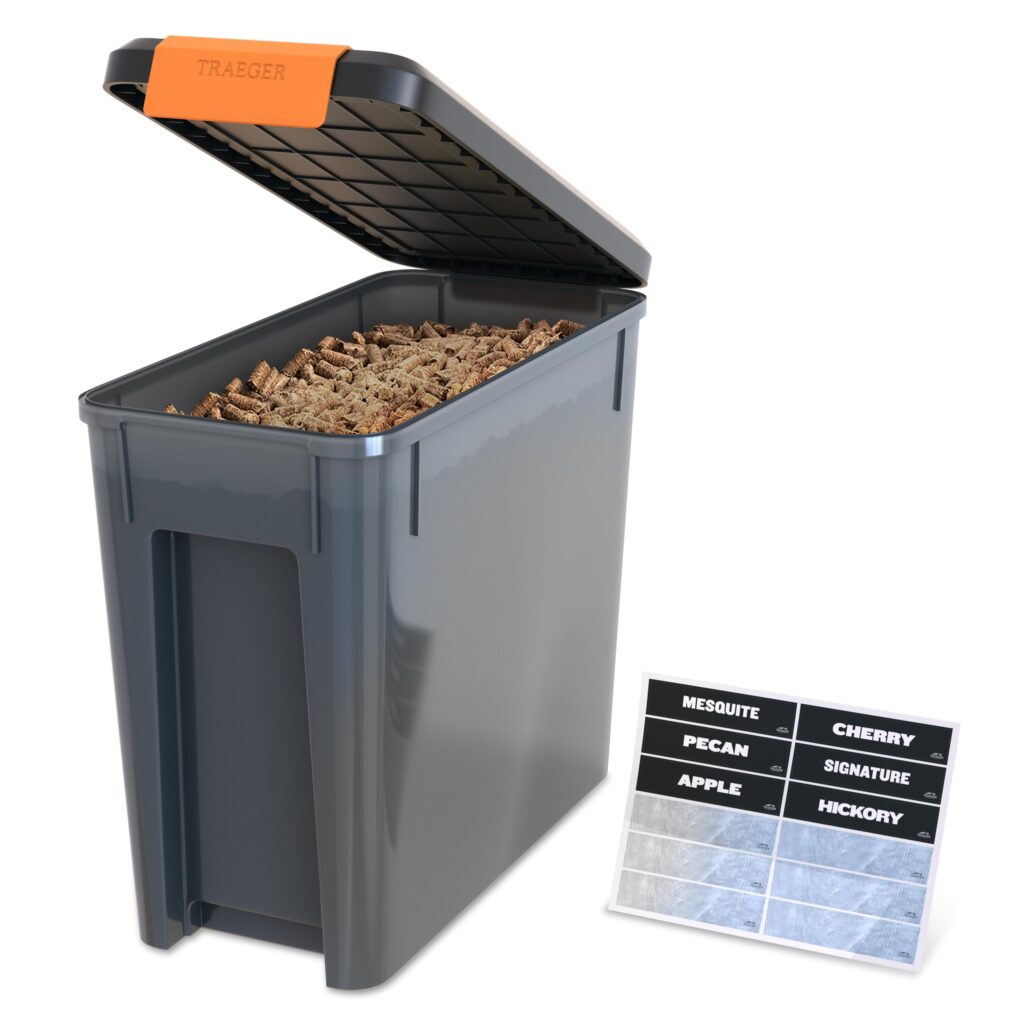
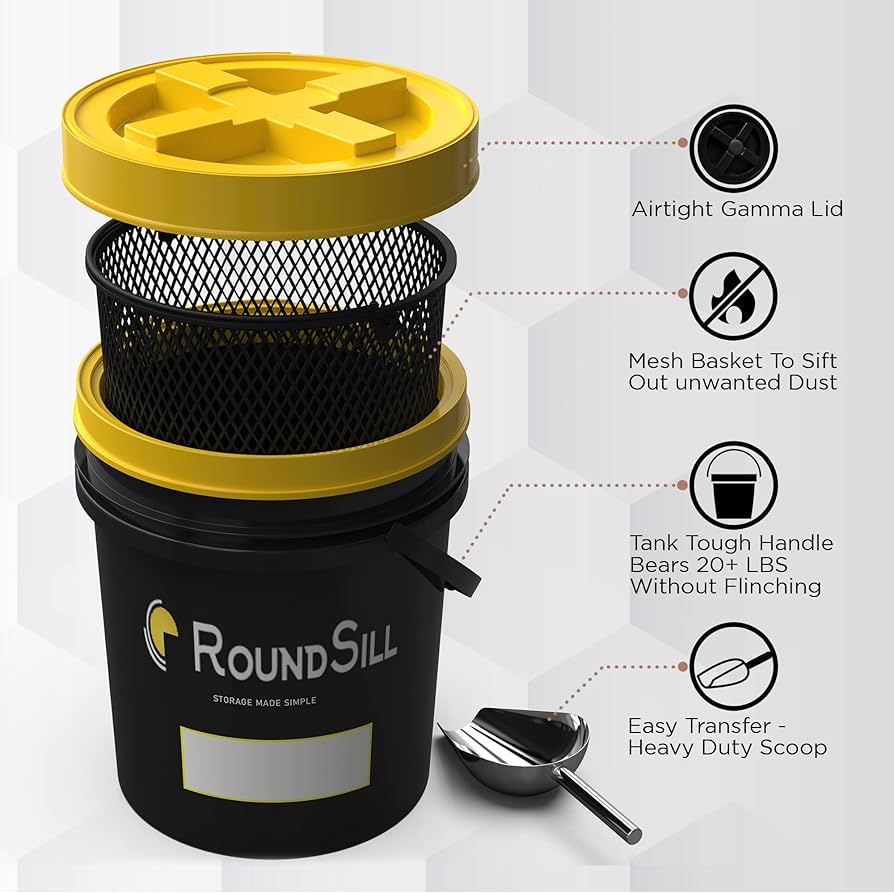
1. Airtight Sealed Bins or Bucket (Best Option)
Use:
- Heavy-duty plastic containers
- Gasket-sealed lids
- Gamma seal lids
- Latching weatherproof bins
Airtight containers protect against:
- Humidity
- Rodents
- Insects
- Accidental spills
Clear containers also allow you to see pellet quality at a glance.
Blending Woods for Signature Flavor
Advanced pitmasters blend woods.
Examples:
- Oak + Cherry (Texas style with color boost)
- Hickory + Apple (balanced pork profile)
- Oak + Mesquite (controlled intensity for beef)
Start mild and add strength gradually.
Final Thoughts: Wood is Your Signature
Anyone can buy a smoker.
Few understand fire.
When you master:
- Wood selection
- Moisture control
- Smoke quality
- Flavor balance
- Storage discipline
You separate yourself from casual backyard cooks.
Wood isn’t just fuel — it’s your fingerprint on the meat.
Choose wisely. Burn clean. The wood selection for BBQ… aim for thin blue smoke.
And remember: the best BBQ flavor comes from clean combustion, not heavy smoke. Check out my [Beginner’s Guide to Smoking]. Not sure which BBQ Smoker is right for you.. We’ll break it down Here!
🔥 Follow Backyard Smoke Lab for more BBQ tips, recipes, and reviews
📺 YouTube: https://www.youtube.com/@backyardsmokelab
📸 Instagram: https://www.instagram.com/backyardsmokelab
🎵 TikTok: https://www.tiktok.com/@backyardsmoklab
🌐 Website: https://backyardsmokelab.com
Pingback: Smoking in Winter:9 Tips for Successful Cold-Weather BBQ
Pingback: Types of Smokers Explained: Pellet, Offset & More