

Smoking meat for beginners can feel intimidating at first—but once you understand the basics, you’ll turn out real BBQ with confidence. Smoking meat is one of the most rewarding ways to cook. It’s part science, part patience, and part primal satisfaction. You’re taking a tough cut of meat, adding time, smoke, and care, and turning it into something deeply flavorful and unforgettable.
If you’re new, though, it can feel intimidating. Offset vs pellet? Why does temperature matter so much? What wood should you use? And why does everyone talk about pulled pork as a “first cook”?
This guide is designed to answer all of that — step by step.
By the end, you’ll understand:
- How different smokers work
- How to control temperature confidently
- Which woods pair best with which meats
- How to smoke your first pulled pork successfully
- The most common beginner mistakes (and how to avoid them)
- The essential tools that make everything easier
Let’s get into it.
What Is Smoking Meat?
Smoking is a low-and-slow cooking method that uses indirect heat and wood smoke to cook food over long periods of time — typically between 225°F and 275°F.
Unlike grilling, smoking:
- Uses indirect heat (the fire isn’t under the meat)
- Takes hours, not minutes
- Builds flavor gradually
- Breaks down tough connective tissue
The goal is not speed. The goal is controlled heat + clean smoke + time.
Different Smoker Types Explained


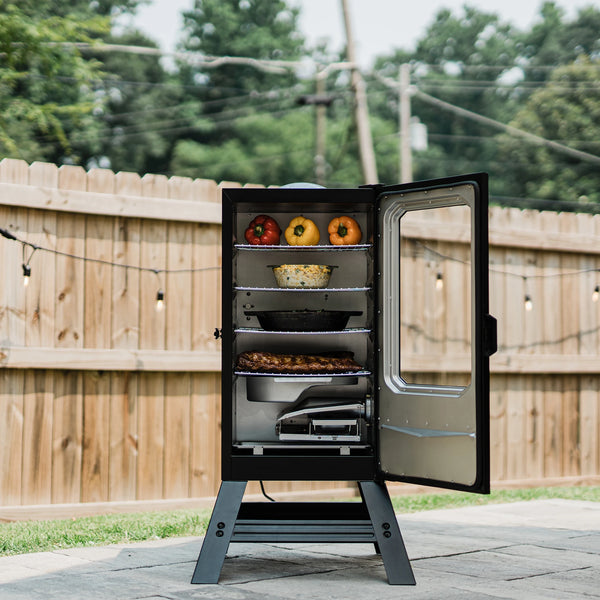
Choosing a smoker is the first major decision beginners face. Each type has strengths and tradeoffs. There’s no “best” smoker — only what fits your style. More smoker detail here.
Offset Smokers (Stick Burners)
How they work:
A fire burns in a side firebox. Heat and smoke travel horizontally into the main cooking chamber and exit through a chimney.
Pros
- Authentic wood-fired flavor
- Total control over fire and smoke
- Traditional BBQ experience
Cons
- Steep learning curve
- Requires constant fire management
- Temperature swings are common for beginners
Best for:
Hands-on cooks who enjoy tending a fire and learning fire control.
Pellet Smokers
How they work:
Compressed hardwood pellets are fed automatically into a fire pot by an auger. A digital controller manages temperature.
Pros
- Very easy to use
- Stable temperatures
- Great for beginners
- “Set it and forget it” cooking
Cons
- Less intense smoke flavor than offsets
- Requires electricity
- More moving parts
Best for:
Beginners who want consistent results with minimal stress.
Electric Smokers
How they work:
An electric heating element produces heat, while wood chips provide smoke.
Pros
- Extremely easy
- Affordable entry point
- Great temperature control
Cons
- Mild smoke flavor
- Limited bark formation
- Less “BBQ feel”
Best for:
Apartment dwellers, beginners, or those who want simplicity above all else.
Charcoal Smokers
How they work:
Charcoal provides heat; wood chunks or chunks provide smoke.
Pros
- Excellent flavor
- Affordable
- More smoke than electric or pellet
Cons
- Requires learning airflow control
- Temperature management takes practice
Best for:
Cooks who want strong flavor and don’t mind learning fire fundamentals.
Temperature Management Basics for Smoking Meat for Beginners

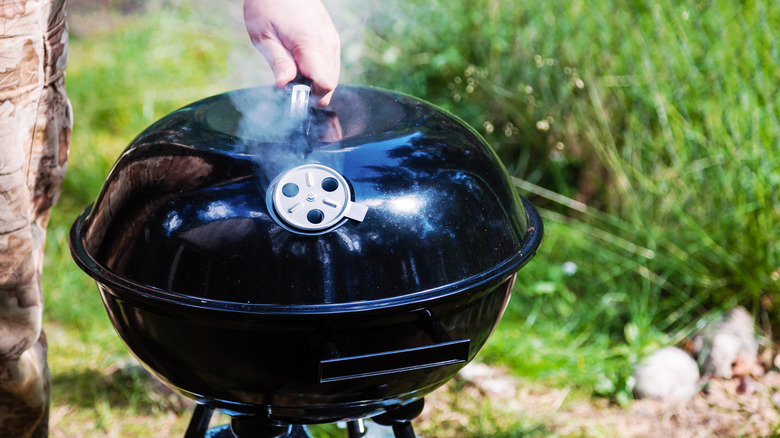

Temperature control is the single most important skill in smoking.
The Ideal Smoking Range
Most barbecue is cooked between:
- 225°F – low and slow, more smoke exposure
- 250°F – sweet spot for beginners
- 275°F – faster cooks, still forgiving
Staying within ±15°F is completely fine.
Heat Control by Smoker Type
- Pellet smokers: Digital controller handles it
- Electric smokers: Thermostat controlled
- Charcoal/offset: Controlled by airflow
More air = hotter fire
Less air = cooler fire
Never chase temperature by constantly opening the lid. Every lid lift dumps heat and adds cook time.
Internal Meat Temperature Matters More
Smoking is about internal temperature, not time.
Examples:
- Pulled pork: 195–205°F
- Brisket: 195–203°F
- Chicken: 165°F (breast), 175–185°F (thighs)
A reliable probe thermometer is non-negotiable.
Wood Selection and Flavor Profiles
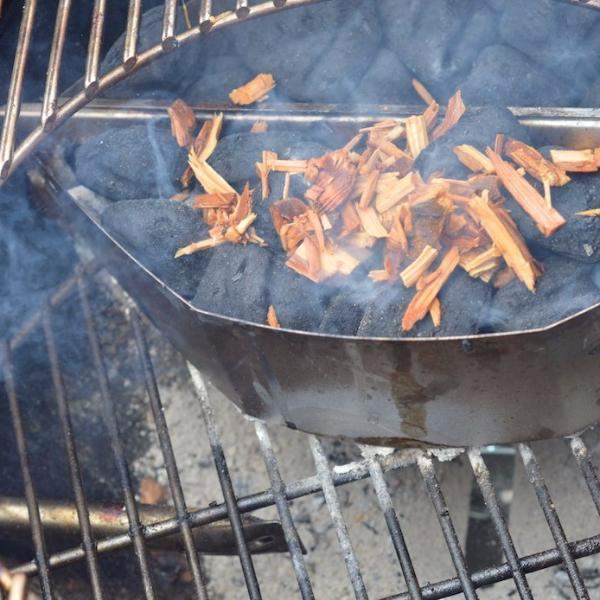

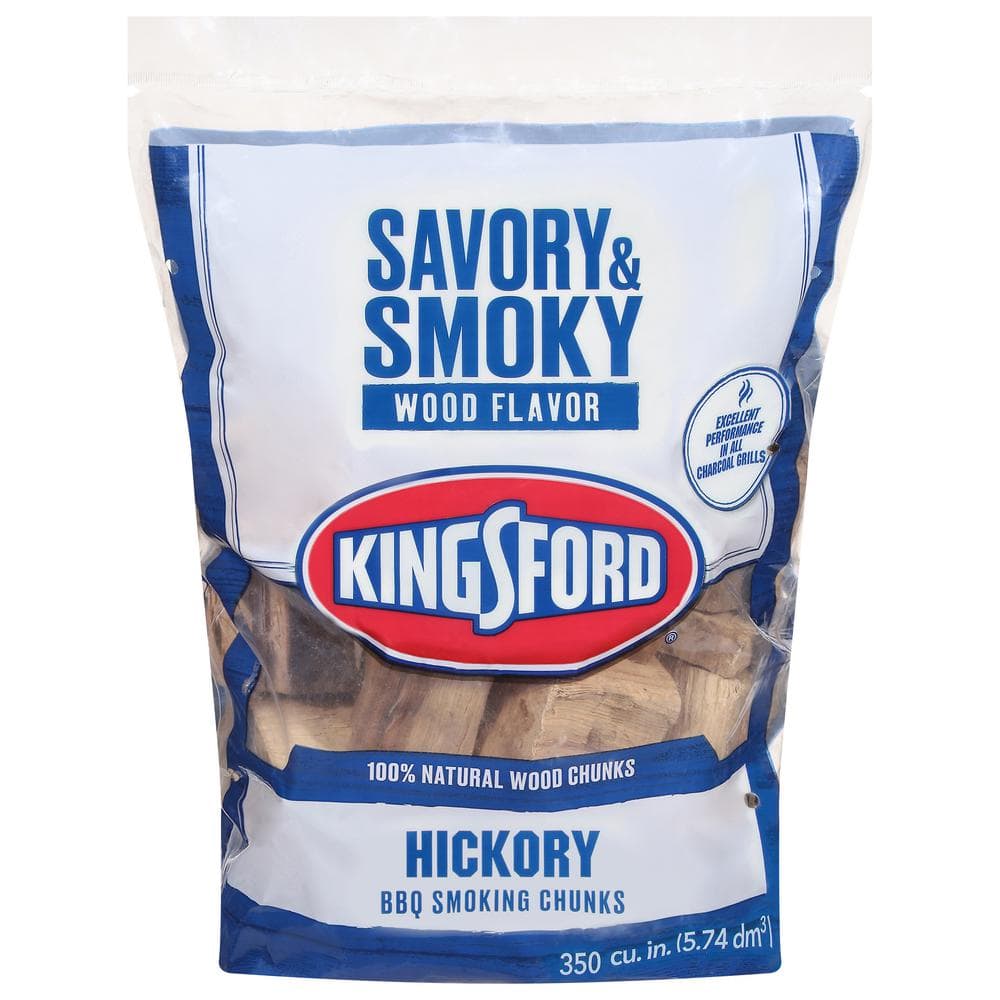
Wood choice shapes flavor more than almost anything else.
Mild Woods
- Apple: Slightly sweet, very forgiving
- Cherry: Mild, adds beautiful color
- Pecan: Nutty, soft smoke
Best for poultry, pork, and beginners.
Medium Woods
- Hickory: Classic BBQ flavor
- Oak: Balanced and versatile
Great all-purpose options.
Strong Woods
- Mesquite: Intense, earthy, sharp
Use sparingly. Too much will overpower meat.
Beginner Tip
If you’re unsure, use:
- Apple or cherry for pork
- Oak or Mesquite for beef
- Avoid mixing more than two woods early on
Clean smoke should look thin and blue, not thick and white.
Your First Smoke: Pulled Pork Walkthrough
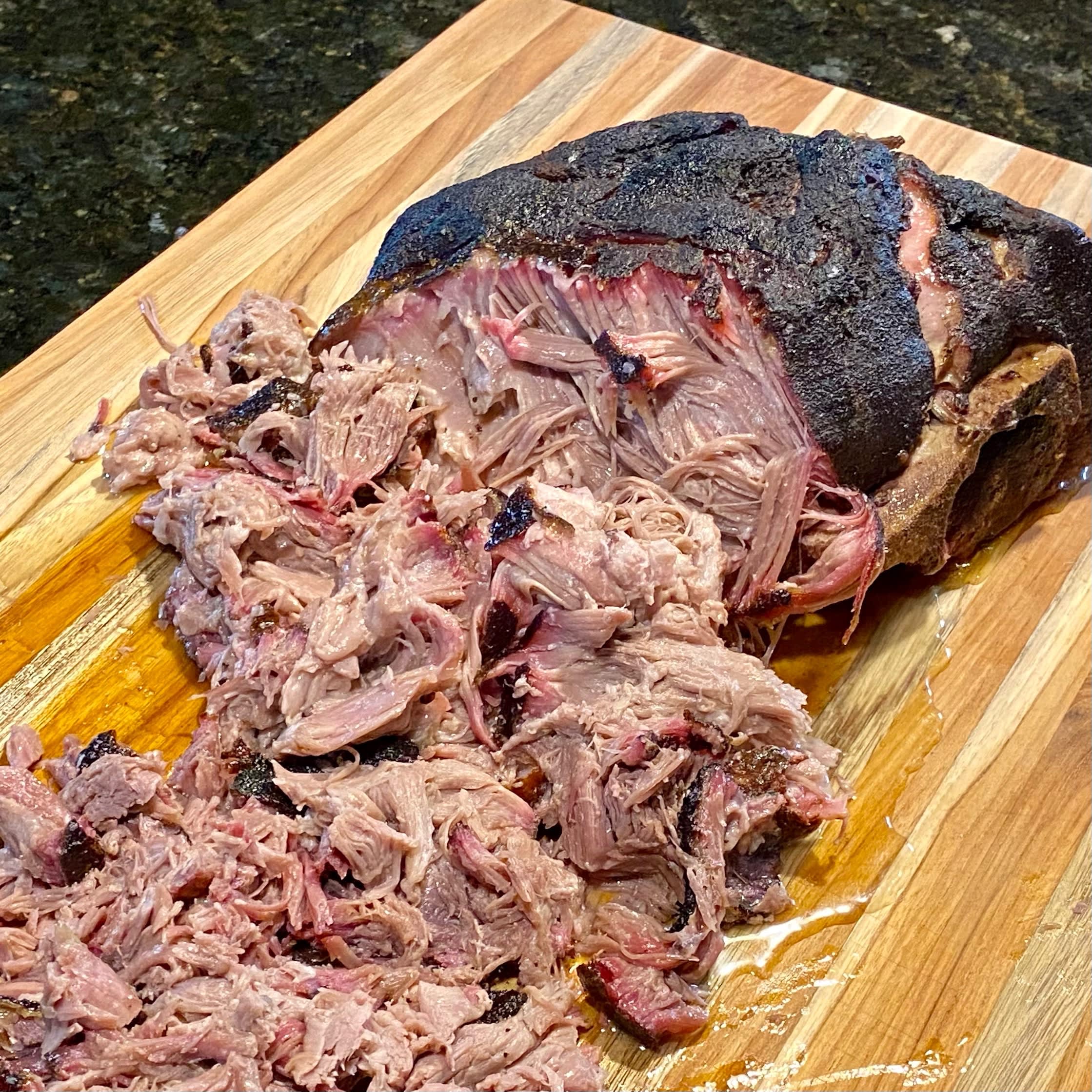


Pulled pork is the ideal first cook:
- Forgiving cut
- Affordable
- Hard to ruin
- Teaches patience
What You’ll Need
- 8–10 lb bone-in pork shoulder (Boston butt)
- Simple rub (salt, pepper, paprika, brown sugar optional)
- Apple or hickory wood
- Foil or butcher paper
- Meat thermometer
Step 1: Prep
- Pro Tip: You can submerge in a apple juice bath for several of hours
- Pat meat dry with paper towel
- Apply rub generously (big cut of meat! Don’t be stingy!) BSL Basic BBQ Rub
- Let sit 30–60 minutes (or overnight refrigerated)
Step 2: Preheat Smoker
- Target 250°F
- Add wood (or pellets)
- Let temperature stabilize before adding meat
Step 3: Smoke
- Place pork fat-side up away from fire box
- Insert a temperature probe
- Close lid and leave it alone
Expect a stall around 160–170°F — this is normal.
Step 4: Wrap
Once bark is set and internal temp hits ~165°F:
- Wrap tightly in foil or butcher paper
- Return to smoker
Step 5: Finish
Cook until internal temp reaches 195–203°F and probe slides in easily.
Step 6: Rest
- Rest wrapped meat 30–60 minutes or longer in a cooler with towels
- Pull by hand or with forks
Congratulations — you just smoked your first real BBQ.
Common Beginner Mistakes (and How to Avoid Them)
Mistake 1: Cooking by Time
Every piece of meat is different. Temperature tells the truth.
Fix: Always cook to internal temp.
Mistake 2: Too Much Smoke
More smoke ≠ better flavor.
Fix: Use less wood. Look for thin blue smoke.
Mistake 3: Constant Lid Opening
“If you’re lookin’, you ain’t cookin’.”
Fix: Trust your thermometer.
Mistake 4: Skipping the Rest
Resting allows juices to redistribute.
Fix: Always rest large cuts at least 30 minutes.
Mistake 5: Overcomplicating Early
Fancy injections and complex rubs aren’t needed at first.
Fix: Master fundamentals first.
Essential Tools for Beginners

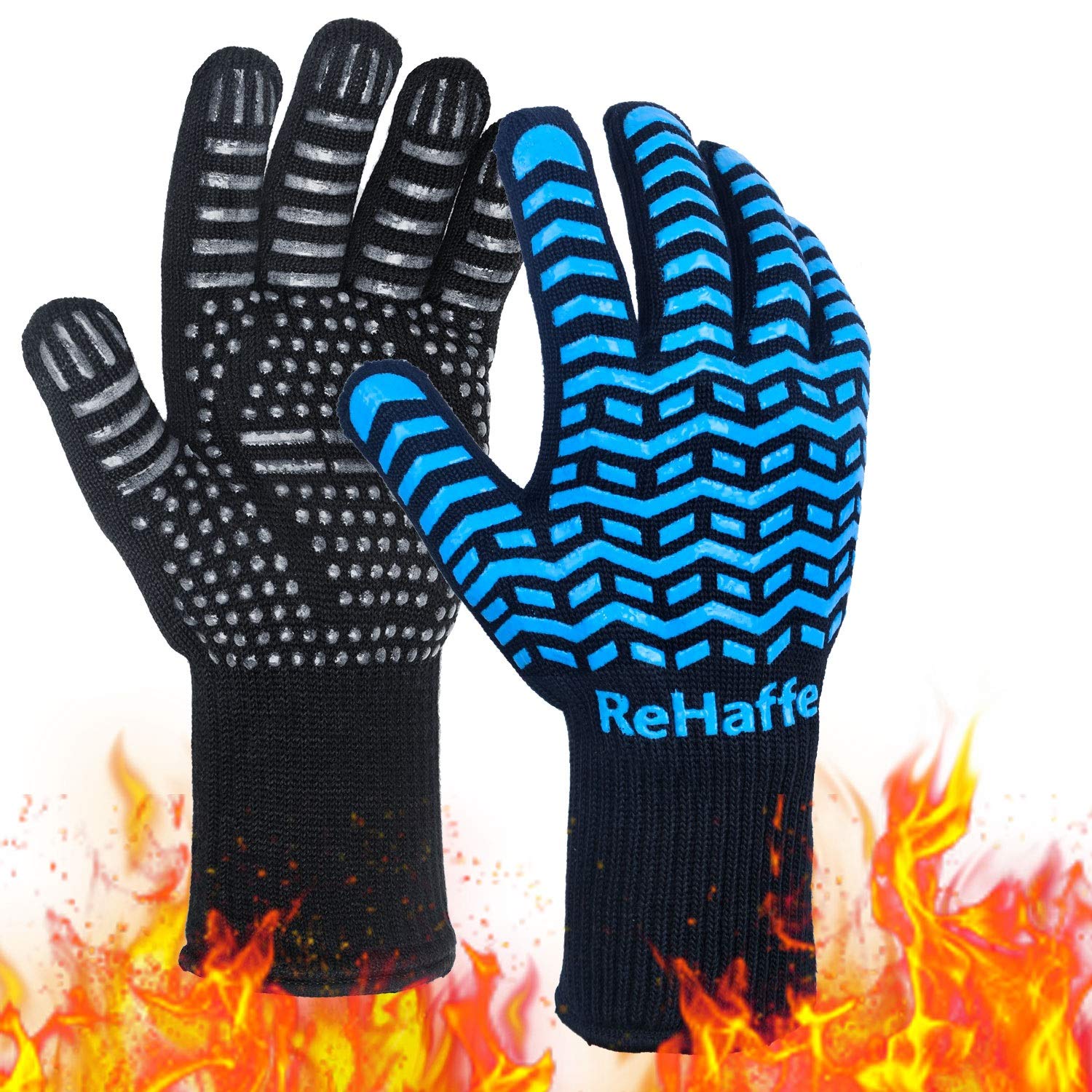

4
You don’t need everything — just the right things.
Must-Have Tools
Nice-to-Have Upgrades
- Wireless thermometer system
- Water pan (for humidity)
- Spray bottle for spritzing
- Rib rack or extra grates
Avoid gimmicks. Tools should solve problems, not create them.
Final Thoughts
Smoking great BBQ isn’t about perfection — it’s about progression.
Your first cook won’t be flawless, and that’s part of the process. Every smoke teaches you something. The fundamentals you learned here — temperature control, wood selection, patience — will carry over to every cut you cook from here on out.
I hope you liked the Smoking Meat for Beginners…Start simple. Take notes. Drink your favorite beverage. Trust the process.
And most importantly — enjoy the cook.
Frequently Asked Questions About Smoking Meat for Beginners
Still confused about Smokers?
Read our Beginners Guide to types of smokers.
What is the best smoker for beginners?
The best smoker for beginners is one that makes temperature control easy. Pellet smokers and electric smokers are the most beginner-friendly because they maintain steady heat automatically. Charcoal smokers offer value, better smoke flavor but require more hands-on airflow control. Offset smokers provide the most authentic experience but have the steepest learning curve.
What temperature should beginners smoke meat at?
Smoking meat for beginners is easiest at 250°F. This temperature is forgiving, produces good smoke flavor, and helps avoid drying out meat. While traditional low-and-slow barbecue often targets 225°F, beginners will usually get more consistent results at 250°F.
How long does it take to smoke meat?
Smoking time depends on the cut of meat and its thickness, not just the weight. A general rule for beginners is 1 to 1.5 hours per pound, but internal temperature is what truly matters. Always cook until the meat reaches the proper internal temperature rather than cooking by time alone.
What is the best meat to smoke for beginners?
Pulled pork (pork shoulder or Boston butt) is the best meat for beginners. It is forgiving, affordable, and difficult to overcook. Pork shoulder benefits from long cooking times and becomes tender once it reaches an internal temperature of 195–203°F.
What wood should beginners use for smoking meat?
Mild woods such as apple, cherry, and pecan are ideal for beginners because they are forgiving and unlikely to overpower food. Oak is a great all-purpose option, while stronger woods like mesquite should be used sparingly until you gain more experience.
How much smoke is too much?
Too much smoke can make meat taste bitter or acrid. Beginners should aim for thin, blue smoke, not thick white smoke. If heavy smoke is pouring out of your smoker, you are likely using too much wood or restricting airflow.
Do I need to soak wood chips before smoking?
Soaking wood chips is not necessary and often counterproductive. Dry wood produces cleaner smoke more quickly. For longer cooks, wood chunks are better than chips because they burn slower and provide more consistent smoke.
Why does meat stall during smoking?
The stall happens when moisture evaporates from the meat’s surface, cooling it as fast as heat is applied. This usually occurs around 160–170°F. Wrapping the meat in foil or butcher paper helps push through the stall and shortens cook time.
Should beginners wrap meat while smoking?
Wrapping meat is optional but highly recommended for beginners. Wrapping helps retain moisture, speeds up cooking, and prevents meat from drying out. For pulled pork, wrapping at around 165°F internal temperature works well.
How do I keep meat from drying out?
To prevent drying out, maintain stable smoker temperatures, avoid excessive smoke, and don’t rush the cook. Wrapping during the stall and allowing the meat to rest after cooking are two of the most effective ways to keep smoked meat juicy.
How long should smoked meat rest?
Large cuts like pork shoulder or brisket should rest for 30–60 minutes after cooking. Resting allows juices to redistribute throughout the meat, resulting in better texture and flavor.
Can beginners smoke meat in cold weather?
Yes, beginners can smoke meat in cold weather, but it requires extra attention. Cold temperatures increase fuel usage and can make temperature control harder. Using a windbreak, insulating blanket, or choosing a pellet or electric smoker helps maintain consistent heat.
What internal temperatures are safe for smoked meat?
Always follow food safety guidelines:
- Pork: 195–203°F (for pulled pork)
- Beef brisket: 195–203°F
- Chicken: 165°F (breast), 175–185°F (thighs)
Use a digital thermometer to verify doneness.
Do beginners need expensive tools to smoke meat?
No. Beginners only need a reliable smoker, a digital thermometer, and basic tools like tongs and heat-resistant gloves. Expensive accessories can come later as your skills improve.
Why does my smoked meat taste bitter?
Bitter flavor is usually caused by dirty smoke, too much wood, or restricted airflow. Make sure your fire is burning cleanly, vents are open enough for oxygen flow, and you are not oversmoking the meat.
How often should beginners add wood or pellets?
Pellet smokers automatically feed pellets as needed. For charcoal or offset smokers, add wood only when smoke thins out or temperatures drop. More smoke does not mean better flavor.
Is smoking meat hard for beginners?
Smoking meat for beginners can feel challenging at first, but it becomes much easier once you understand temperature control and smoke management. Starting with forgiving cuts like pulled pork builds confidence quickly.
🔥 Follow Backyard Smoke Lab for more BBQ tips, recipes, and reviews
📺 YouTube: https://www.youtube.com/@backyardsmokelab
📸 Instagram: https://www.instagram.com/backyardsmokelab
🎵 TikTok: https://www.tiktok.com/@backyardsmoklab
🌐 Website: https://backyardsmokelab.com
Pingback: BBQ Smoked Pulled Pork Nachos Recipe
Pingback: Gameday Chicken Wings - backyardsmokelab.com
Pingback: Smoked Brisket Chili Recipe
Pingback: BBQ Rub Recipe (Basic Sweet & Smoky) — Backyard Smoke