
Whether you’re cooking on a pellet smoker, charcoal grill, gas grill, or offset smoker, the reverse sear method for steak is one of the easiest ways to achieve restaurant-quality results at home.
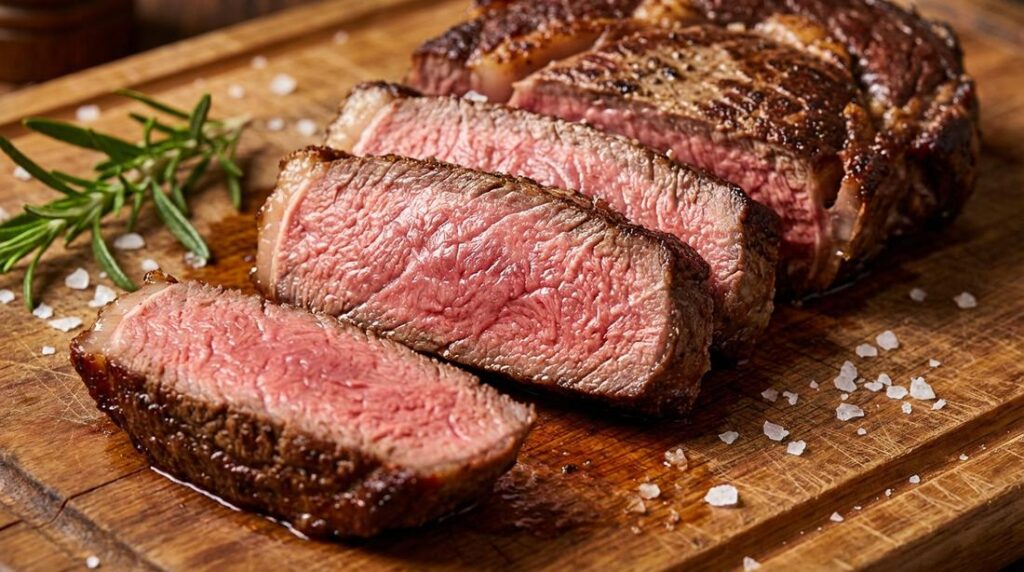
Unlike the traditional method of searing first and finishing over indirect heat, the reverse sear slowly brings the steak up to temperature before finishing with an incredibly hot sear. The result is a steak that’s evenly cooked from edge to edge with an incredible smokey crust.
If you’ve struggled with gray bands, overcooked edges, or inconsistent doneness, learning the reverse sear method for steak may completely change how you cook beef forever.
What Is the Reverse Sear Method?

The reverse sear method simply flips the traditional cooking order.
Instead of:
- Sear first
- Finish cooking
You:
- Cook the steak slowly at low temperature.
- Bring it close to the desired internal temperature.
- Finish with an extremely hot sear.
Because the steak cooks gently first, it develops a beautiful, even pink interior with almost no gray overcooked layer.
Why Reverse Sear Works
The reverse sear method offers several advantages:
- Better edge-to-edge doneness
- Crisp, flavorful crust
- Less chance of overcooking
- More forgiving cooking process
- Greater control over final temperature
- Incredible smoke flavor when using a smoker
It’s especially effective on steaks that are 1½ inches thick or thicker.
Ideal steaks include:
- Ribeye
- New York Strip
- Porterhouse
- T-Bone
- Filet Mignon
- Tomahawk
- Cowboy Ribeye
Equipment You’ll Need
The reverse sear method works on nearly every outdoor cooker.
Pellet Grill
One of the easiest options because it provides stable temperatures and excellent smoke flavor.
Charcoal Grill
Set up a two-zone fire with indirect and direct heat.
Gas Grill
Cook indirectly before moving over the hottest burner.
Offset Smoker
Excellent for adding authentic wood smoke before the sear.
Choosing the Right Steak

Thickness matters.
For best results choose steaks that are:
- 1½–2 inches thick
- USDA Choice or Prime
- Well marbled
- Fresh rather than previously frozen when possible
Thin steaks cook too quickly and don’t benefit as much from reverse searing.
Step 1: Season the Steak
Keep it simple.
Apply generously:
- Kosher salt
- Fresh cracked black pepper
Optional additions:
- Garlic powder
- Onion powder
- Steak seasoning
- Coarse SPG rub
Season at least:
- 30 minutes before cooking
- Overnight for even better flavor
Step 2: Set the Cooker
Preheat your smoker or grill to:
225°F–250°F
This low cooking temperature slowly brings the meat toward your target doneness while allowing smoke flavor to develop.
Step 3: Smoke the Steak
Insert a quality meat thermometer into the thickest portion.
Cook until the steak reaches:
| Desired Doneness | Remove From Smoker |
|---|---|
| Rare | 110°F |
| Medium Rare | 115–120°F |
| Medium | 125°F |
| Medium Well | 135°F |
Don’t worry—the final sear will increase the internal temperature another 10–15 degrees.
Note: if you’re using a gas grill… bundle some wood chips in double wrapped foil and place over burner. This will produce smoke to flavor the steaks.
Need a wood choice? Lots more info.. read here
Step 4: Prepare for the Sear
While the steak finishes smoking:
Increase grill temperature to:
500–700°F
Or heat a cast iron skillet until it’s screaming hot.
Excellent searing methods include:
- Cast iron skillet
- GrillGrates
- Charcoal directly over lump charcoal
- Infrared burner
- Flat-top griddle
Step 5: Sear the Steak

Sear approximately:
- 45–60 seconds per side
Rotate if desired for grill marks.
During the last minute add:
- Butter
- Garlic cloves
- Fresh rosemary
- Thyme
Baste continuously for incredible flavor.
Internal Temperature Guide
Use an instant-read thermometer. Here’s probes I use.
| Doneness | Final Temperature |
|---|---|
| Rare | 120–125°F |
| Medium Rare | 130–135°F |
| Medium | 140–145°F |
| Medium Well | 150°F |
| Well Done | 160°F+ |
For most steak lovers:
130–135°F delivers the perfect medium-rare steak.
Here’s what the USDA says about temps
Rest the Steak
After searing:
Rest covered for:
5–10 minutes
This allows juices to redistribute throughout the meat.
Avoid cutting immediately.
Butter Basting Tips
Want steakhouse flavor?
Add during the final sear:
- 2 tablespoons butter
- Garlic cloves
- Fresh rosemary
- Fresh thyme
Tilt the skillet and spoon the melted butter continuously over the steak.
The flavor difference is remarkable.
Best Woods for Reverse Searing
Different woods provide different flavor profiles.
Great options include:
- Oak (balanced)
- Hickory (strong BBQ flavor)
- Cherry (slightly sweet)
- Pecan (nutty)
- Post Oak (Texas-style beef)
Avoid excessive mesquite unless you enjoy a stronger smoke flavor.
Common Reverse Sear Mistakes
Cooking Too Hot Initially
Low temperatures create the most even cooking.
Not Using a Thermometer
Guessing almost always leads to overcooked steak.
Searing Too Long
The goal is crust—not additional cooking.
Using Thin Steaks
Reverse searing works best with steaks at least 1½ inches thick.
Forgetting to Rest
Resting helps retain juices.
Can You Reverse Sear on Different Cookers?
Absolutely.
Pellet Grill
Excellent smoke flavor with simple temperature control.
Charcoal Grill
Outstanding crust using lump charcoal.
Gas Grill
Easy indirect cooking followed by maximum burner heat.
Flat Top Griddle
Produces one of the best crusts available.
Frequently Asked Questions
Is reverse sear better than traditional searing?
For thick steaks, yes. Reverse searing creates more even doneness and a superior crust.
Can I reverse sear filet mignon?
Absolutely. It’s one of the best steaks for this technique.
How thick should a steak be?
At least 1½ inches thick.
Should I oil the steak?
Lightly coating the steak with high smoke-point oil before searing can improve browning.
Can I reverse sear frozen steak?
It’s possible, but thawing first produces better texture and more consistent cooking. I wouldn’t recommend.
Final Thoughts
The reverse sear method for steak is one of the most reliable ways to produce steakhouse-quality results in your own backyard. By slowly cooking the steak before finishing it with an intense, high-heat sear, you’ll enjoy incredible flavor, edge-to-edge doneness, and a perfectly caramelized crust.
Whether you’re using a pellet grill, charcoal smoker, gas grill, or cast iron skillet, this technique delivers consistently outstanding steaks that will impress family and guests alike. Once you master the reverse sear method for steak, it’s hard to go back to cooking steak any other way.
🔥 Shop BSL Favorites on Amazon!
📄 Get Free BBQ Recipes, Guides & Charts
👉Check out the list of BBQ Gear I recommend and use
🔥 Follow Backyard Smoke Lab for more BBQ tips, recipes, and reviews
📺 YouTube: https://www.youtube.com/@backyardsmokelab
📸 Instagram: https://www.instagram.com/backyardsmokelab
🎵 TikTok: https://www.tiktok.com/@backyardsmoklab
🌐 Website: https://backyardsmokelab.com