
Pellet smoker temperature swings are one of the most frustrating issues pellet smoker owners run into, especially during longer cooks like brisket or pork shoulder. One minute the smoker is holding steady, and the next it’s running hot or struggling to maintain temperature. While some fluctuation is normal with pellet smokers, large or frequent swings usually point to a few common causes. The good news is that most of these issues are easy to fix once you know what to look for. In this guide, we’ll break down why pellet smokers experience temperature swings and walk through practical steps you can take to stabilize your cook and get more consistent results.
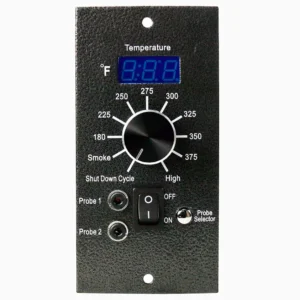
What Counts as “Normal” Temperature Swings?
Pellet smokers are designed to cycle pellets and airflow to maintain an average target temperature, not a perfectly flat line. Because of this, small temperature swings are normal and expected during a cook.
In most cases:
- ±10–15°F from your set temperature is normal
- ±20–25°F may be noticeable but usually acceptable
- 30°F or more of frequent fluctuation often signals an issue that should be addressed
Understanding what’s normal helps you avoid chasing temperatures unnecessarily and making adjustments that can actually make swings worse. If you’re seeing pellet smoker temperature swings of more than 30 degrees for extended periods, it’s usually a sign of airflow, pellet quality, or maintenance issues.
Common Causes of Pellet Smoker Temperature Swings (and How to Fix Them)
Low-Quality or Damp Pellets
Pellet quality has a major impact on temperature stability. Pellets that contain excess moisture or inconsistent wood density burn unevenly, which can cause the smoker to alternate between smoldering and overfeeding fuel.
Ash Buildup in the Fire Pot
Ash accumulation restricts airflow to the fire pot, leading to delayed ignition and sudden temperature spikes when pellets finally ignite. This is one of the most common causes of erratic temperature behavior.
Grease and Debris on the Heat Deflector
Grease buildup can change how heat moves inside the smoker. Over time, this can create hot spots and uneven heat distribution that show up as temperature swings at the grate.
Opening the Lid Too Often
Every time the lid is opened, heat escapes rapidly. The controller responds by feeding more pellets, which can cause the smoker to overshoot the set temperature once the lid is closed.
Wind and Cold Weather
Wind disrupts airflow and can strip heat from the cooking chamber, while cold temperatures force the smoker to burn more pellets to maintain heat. Both conditions increase temperature fluctuation.
Step-by-Step Fixes to Stabilize Pellet Smoker Temperatures
- Clean the fire pot regularly
Remove ash buildup every few cooks to maintain consistent airflow and ignition. - Use high-quality, dry pellets
Store pellets indoors and avoid bags that feel soft or crumbly. - Allow a full preheat
Let the smoker run for 15–20 minutes before adding food so temperatures can stabilize. - Limit lid openings
Rely on a thermometer instead of visual checks whenever possible. - Shield the smoker from wind
Position it near a wall or use a windbreak to reduce airflow disruption.
Controller Settings and Temperature Calibration
Many pellet smokers rely on a built-in temperature probe that can drift slightly over time. Verifying temperatures with a separate thermometer can help you determine whether swings are real or simply a reading issue. Check the cleanliness of the temperature probe too. Smoke buildup can cause a coating that will easily wipe clean with a damp cloth. After cleanup, let air dry and test.
If your smoker allows calibration, follow the manufacturer’s instructions to fine-tune the controller. Even small calibration adjustments can make a noticeable difference during long cooks. Double check these calibration adjustments with a reliable BBQ Thermometer.
When Temperature Swings Are Actually Normal
Some temperature changes are expected and usually correct themselves:
- Startup overshoot as the smoker heats up
- Adding cold meat, especially large cuts
- Pellet feed cycles during long, steady burns
These fluctuations typically stabilize within a short period and don’t require adjustment unless they persist.
Pellet Smoker Temperature Troubleshooting Checklist
Before making major changes, run through this quick checklist:
- Pellets are dry and high quality
- Fire pot is clean and free of ash
- Heat deflector and drip tray are clean
- Lid remains closed during the cook
- Smoker is protected from wind
Addressing these basics solves most temperature swing issues without further troubleshooting
CONCLUSION
Pellet smoker temperature swings are frustrating, but they’re usually easy to diagnose once you understand how your smoker operates. Most problems come down to pellet quality, airflow, cleanliness, or environmental conditions. By maintaining your smoker and using the right monitoring tools, you can greatly improve temperature consistency and focus on the cook instead of constantly adjusting settings. Here’s the thermometer I trust → BBQ Gear I Use
🔥 Follow Backyard Smoke Lab for more BBQ tips, recipes, and reviews
📺 YouTube: https://www.youtube.com/@backyardsmokelab
📸 Instagram: https://www.instagram.com/backyardsmokelab
🎵 TikTok: https://www.tiktok.com/@backyardsmoklab
🌐 Website: https://backyardsmokelab.com
Pingback: Types of Smokers Explained: Pellet, Offset & More